EnWater Design
EnWater Design

Systems planning,
design & support for
water
wastewater &
reuse systems

We help utilities, industries and project teams translate treatment needs, reuse targets and site constraints into clearer pathways, stronger design decisions and more confident vendor engagement.
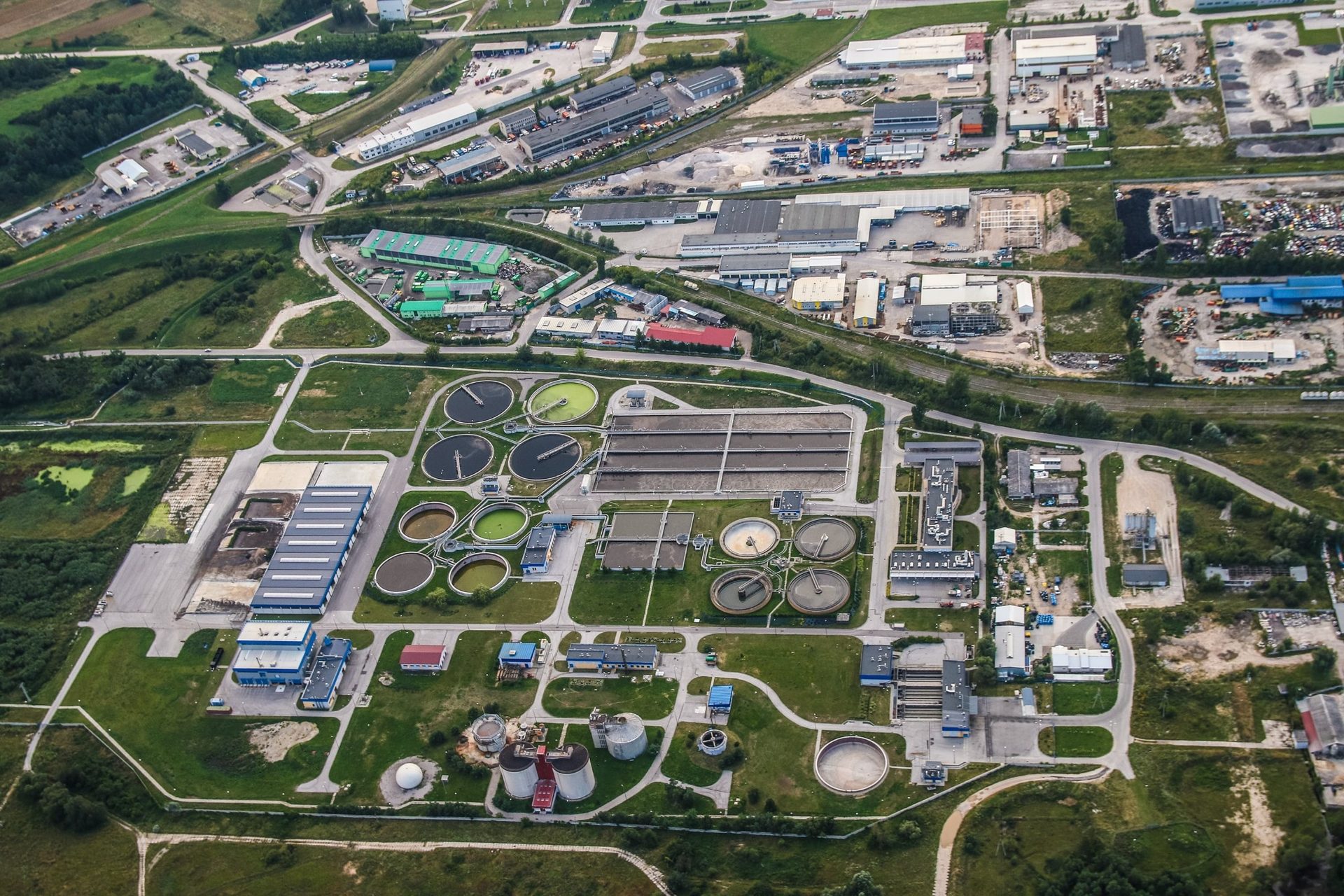

Urban water and reuse systems context

Our Solution Portfolio

Explore the main areas of support, then go deeper through the relevant service, project or sector section.

Start a conversation →

Who we help

Municipal & Districts · Industrial ETP · Built‑Environment · Biosolids

Open sector pathways →
Municipal & Districts

Municipal & Districts

STP+ → TSE for landscaping, cooling make‑up, recharge.

Industrial ETP

Industrial ETP

Cooling and boiler-water reuse, Batch+ polishing and ZLD concentration and residuals planning.

Built‑Environment

Built‑Environment

Greywater & landscaping reuse for campuses and districts.

Biosolids land application

Biosolids & Odor Control

Dewatering → drying → compost or fertiliser; odor & septicity control.

Planning insights

Practical notes for owners and operators, with further detail in the relevant sections.

Discuss a similar project →
Source control

Source control that protects treatment

For sites where upstream loading, source segregation, and pretreatment discipline can do more for plant stability than another downstream add-on.

Insights
Upstream valuePretreatment and source-control requirements can reduce downstream OPEX before larger treatment upgrades are considered.
What to checkInfluent variability, source segregation points and the operating burden currently being pushed onto the plant.
Planning effectThe most valuable intervention often starts upstream, where a smaller correction prevents a much larger capital response.
ZLD thermal closure

ZLD: linking concentration, thermal treatment and final solids handling

For schemes approaching ZLD, concentration, thermal treatment and final solids handling need to be planned as one connected route rather than as separate decisions.

Insights
System logicUpstream preparation, concentration, thermal treatment and final solids handling must be assessed as one connected system rather than as isolated equipment choices.
What to checkBrine volume, water quality, heat availability, disposal limits, reuse target, and the practical handling route for residual solids.
Why the end route has to be set earlyThe right ZLD route depends on site conditions, discharge limits, and how far recovery needs to go in practice.
Biosolids market-ready outputs

Biosolids → treatment, product development and market readiness

For biosolids programmes, outlet requirements, handling needs and product specifications must be defined early, before the treatment route is fixed around the wrong outcome.

Insights
Product fit firstClass A compost, biofertiliser and organo-mineral routes depend on outlet planning, odor control and market fit being considered together.
What to checkStabilisation status, drying route, product standard, storage needs and the intended end user or buyer.
Why outlet logic comes firstMarketability has to be designed in early. If it is addressed late, the process route may already be working against the intended outlet.

Cases

Representative projects explored through process review, option comparison and defined outputs.

Talk through a similar case →

STP+ (MBBR + UF)

A reuse-led STP route for sites aiming at cooling make-up and similar non-potable duties, where biological treatment and polishing need to be planned as one package.

Often suits plants moving beyond discharge-only thinking, where residual solids, clarity, and vendor comparison criteria need a firmer basis.

Outcomes
Process summaryAn A+ TSE route in which MBBR provides biological treatment and UF provides polishing for cooling and similar non-potable reuse duties.
Target outcomesLower BOD and TSS, improved final water clarity, and treated water quality better aligned with downstream reuse requirements.
Why this has to be set earlyReuse routes need process criteria, QA/QC alignment and commissioning checks defined before vendor comparison begins.

ETP+ (Batch+ → RO)

An industrial recovery route where batch treatment and RO are reviewed together with concentrate build-up, thermal treatment, and final handling needs.

Often arises when recovery targets look attractive on paper, but COD reduction, scaling pressure and disposal limits still need to be settled as one route.

Outcomes
Process summaryIndustrial reuse pathway combining chemical treatment and membrane recovery, with concentration and downstream handling reviewed as one connected route.
Target outcomesReduced COD and suspended solids ahead of recovery, higher water recovery across the treatment sequence, and a clearer basis for concentrate and final solids management.
Why the route has to stay connectedRecovery targets only make sense when water quality, concentration limits, and downstream handling boundaries are considered together.

Biosolids → compost route

A biosolids route bringing dewatering, drying, composting, odor control and outlet planning together instead of leaving the end product to the end.

Most relevant when the aim is not only stabilization but also a workable outlet that fits storage, handling and end-user needs.

Outcomes
Process summaryDewatering → drying → aerated static pile or windrow composting, with odor control and outlet planning considered during process selection.
Target outcomesReduced moisture, improved stabilization, Class A compost pathway readiness, and a product route aligned with outlet fit and handling requirements.
Why outlet fit cannot waitOutlet viability matters as much as process choice, so market fit needs to be built in early.

Need a clear scope or a vendor decision soon?

Send your feed, constraints and target outcome. We’ll define the right starting pack and what vendors need to price it confidently.