EnWater Design
Projects › Sewage & Effluent Treatment

Sewage & Effluent Treatment

Sewage and effluent treatment projects arise from new capacity, tighter discharge limits, underperformance, production changes or a reuse requirement. The project basis defines the wastewater to be treated, the required outlet and the site and operating conditions that govern the design. The STP and ETP pathways connect that duty to route comparison, system connections, residuals management and performance requirements for design, supplier proposals and commissioning.

Sewage and industrial effluent treatment project
Overview
Project review moves from reason for actiontreatment dutyroute comparisonselected configuration. Footprint, power, operating cost, residuals, connections and commissioning are considered at each stage.
Sewage treatmentIndustrial effluentExisting-plant upgradesReuse polishingDefined performance basis

Treatment pathways for different project conditions

These configurations cover different wastewater sources and project needs. They are not standard plant packages. Each route is developed from the required outlet, wastewater characteristics, site limits and operating conditions. Supplier scope and commissioning criteria then follow from that basis.
FlowPlan(STP+) Icon

FlowPlan - STP+

Project condition: A new sewage treatment plant is required for a development, a site without adequate treatment, or full replacement of an existing plant

Project decisions: Design flows and loads, required discharge or reuse quality, redundancy, peak conditions and the operating basis the plant must accommodate.

Possible scope: Preliminary and biological treatment, solids separation, nutrient removal, tertiary treatment, disinfection, sludge handling and reuse-related provisions, as required by the duty.

Project basis: The process route, design flows and loads, major unit duties, footprint and utilities, sludge and residuals route, controls and performance criteria for design or supplier proposals.
FlowPlan(ETP+) Icon

FlowPlan - ETP+

Project condition: A new or changed industrial operation requires a treatment basis for one or more effluent streams

Project decisions: Stream segregation, variability and inhibition risk, characterization and treatability evidence, and whether the project is driven by discharge compliance, reuse, water recovery or lower disposal volume and cost.

Possible scope: Source segregation, equalization, batch handling, physicochemical and/or biological treatment, solids handling, polishing and recovery where justified.

Project basis: A wastewater management and treatment route supported by characterization and treatability evidence, with design cases, pretreatment and equalization duties, utilities, residuals, controls and performance criteria for design or supplier proposals.
FlowPlan(STP+Retrofit) Icon

FlowPlan - STP Retrofit | Existing plant upgrade

Project condition: An existing STP is underperforming, needs more capacity or must meet a new discharge or reuse requirement

Project decisions: The cause of the shortfall, usable retained assets, capacity that can be recovered or added, and treatment continuity during the works.

Possible scope: Hydraulic and process review, bottleneck correction, biological and solids-separation upgrades, tertiary treatment, sludge handling, controls, temporary treatment or flow-management arrangements, and staged changeover.

Project basis: A phased upgrade plan showing retained and modified assets, new duties, connection and outage requirements, temporary treatment or flow-management needs, commissioning sequence and performance checks.
FlowPlan(ETP+Retrofit) Icon

FlowPlan - ETP Retrofit | Existing industrial system upgrade

Project condition: An operating ETP no longer matches current production, load, compliance, reuse or cost requirements

Project decisions: Production changes and stream conditions driving the problem, changes to segregation or pretreatment, usable retained assets, and implementation without disrupting production or compliance.

Possible scope: Stream mapping and segregation, equalization, pretreatment, adjustment of treatment stages and operating conditions, equipment replacement, solids handling, polishing, controls and staged implementation.

Project basis: A retrofit route with revised design cases, retained and replaced assets, modification options, connection and outage needs, production coordination and performance requirements.
FlowPlan(UFRO+) Icon

FlowPlan - UFRO+ | Membrane reuse assessment

Project condition: The required reuse quality cannot be met by the main treatment plant alone and UF, RO or both are being considered

Project decisions: Final water quality, whether UF, RO or both are justified, the pretreatment and recovery basis, and management of backwash and concentrate.

Possible scope: Pretreatment, UF, RO or a justified combination, together with disinfection, cleaning systems, dosing, backwash and concentrate handling, storage, distribution and monitoring.

Project basis: A membrane-treatment basis covering feed quality, configuration, justified recovery, backwash and concentrate routes, utilities, cleaning, monitoring and acceptance testing before equipment is specified.
Treatment Must Be Designed for the Wastewater

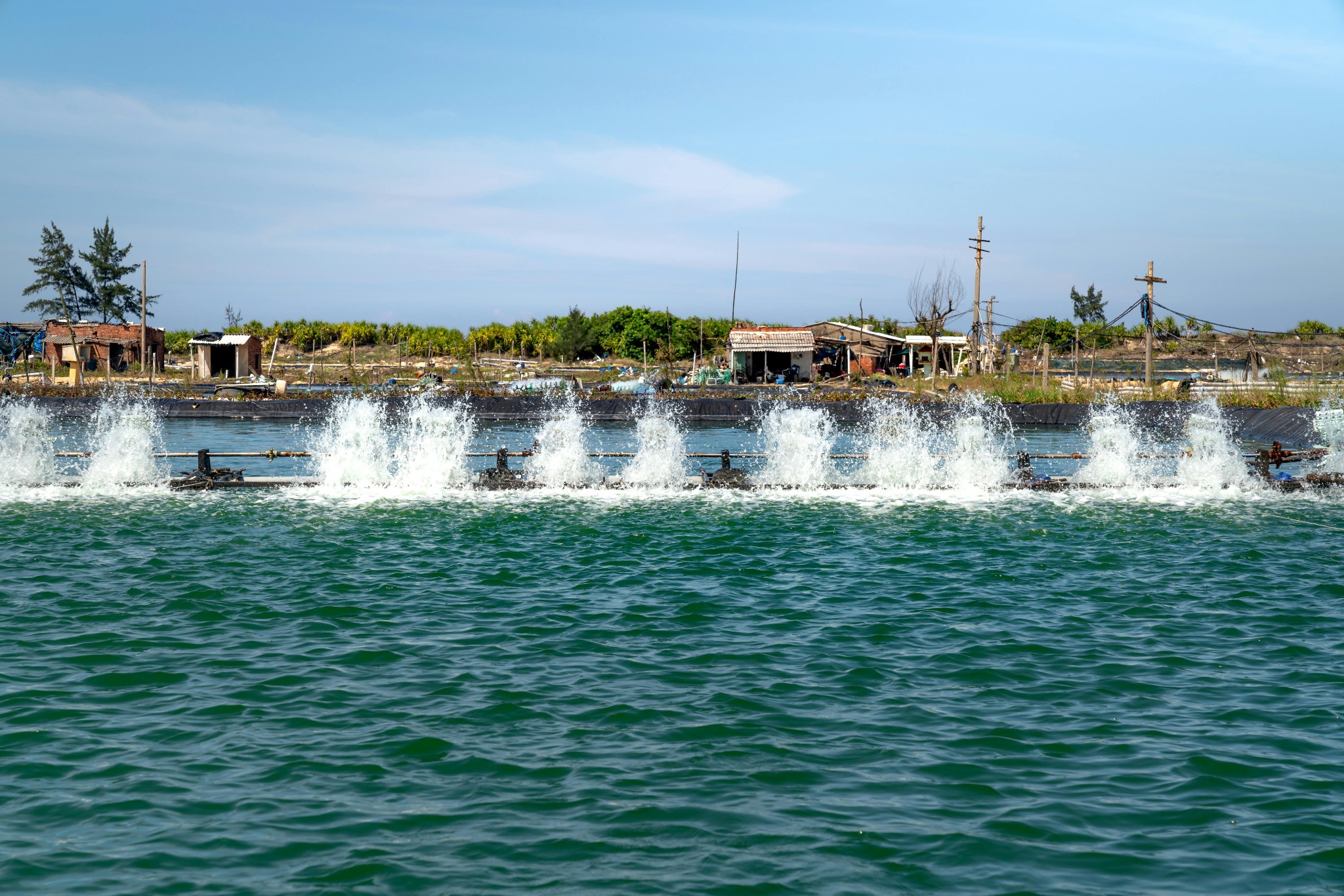
STP and ETP identify broad treatment applications, not standard process designs. Sewage characteristics vary with catchment, infiltration, salinity, septicity, industrial contributions, nutrient balance and peak flow. Industrial effluent varies with the production process and may contain loads or compounds that affect biological treatment, separation, chemical demand, power demand and residuals handling. The treatment route therefore has to be based on the actual wastewater, the required discharge or reuse quality, and the operating conditions. Characterization and treatability testing are used where the available data do not adequately define that basis.

STP | Sewage is not uniform

Domestic sewage is a familiar wastewater category, but its flow, strength and treatability differ between catchments and operating conditions.

  • Influent: Domestic and commercial wastewater, sometimes affected by infiltration, septicity, salinity, grease, industrial contributions and large daily or seasonal flow changes.
  • Treatment structure: Preliminary, biological, solids-separation, nutrient-removal, disinfection and polishing stages are selected and sized from the actual wastewater and duty.
  • Drivers: Required discharge or reuse quality, peak hydraulic and organic loads, nutrient balance, pathogen control, odor, sludge production, site limits and operator capacity.
  • Failure risk: Assuming a standard sewage profile can lead to undersizing, unstable biology, poor nutrient removal, hydraulic overload or excessive operating demand.
Review STP+ pathway →

ETP | Each industrial effluent is different

Industrial wastewater is determined by the production process and can change by stream, product, batch, cleaning cycle or operating campaign.

  • Influent: Process streams may differ widely in pH, COD, biodegradability, solids, oils, salts, metals, temperature, solvents, surfactants or inhibitory compounds.
  • Treatment structure: Source control, selective pretreatment, physicochemical and biological stages, polishing, recovery and residuals handling are combined only where the wastewater requires them.
  • Drivers: Source segregation, equalization, production variability, treatability, inhibition risk, discharge or reuse duty, residuals, production continuity and lifecycle cost.
  • Failure risk: Treating industrial effluent as ordinary sewage can inhibit biological activity or wash out biomass, overload downstream units, generate avoidable sludge or reject, and fail compliance.
Review ETP+ pathway →

Sewage and effluent treatment project basis

The project basis brings together the reason for action, required outlet, wastewater characteristics, site limits and operating conditions. From this, the treatment duty, route options, further testing and performance requirements can be defined on a comparable basis.

Treatment pathwayconsiderations

The wastewater source identifies the broad pathway, but it does not determine the treatment route on its own. Outlet requirements, flow and load variation, treatability, site limits, operating demand and residuals all affect the configuration. These considerations provide the basis for comparing the available options.

Quick definitions: STP means a sewage treatment plant. ETP means an effluent treatment plant for industrial wastewater. The “+” indicates that the main plant is considered with connected reuse, residuals, utilities, controls and delivery needs. Retrofit covers modification or expansion of an existing plant while retained assets and treatment continuity are considered. UFRO covers ultrafiltration, reverse osmosis or both for a defined reuse duty. ZLD applies only where zero liquid discharge is a defined project requirement.

Reason for action Treatment duty Options, cost and site suitability

Typical project conditions: new capacity, tighter discharge limits, underperformance, production change, reuse, footprint pressure, energy, chemical or disposal costs, and residuals handling.

1) Required treatment duty

The required outlet, exposure risk, capacity, reliability and operating context determine the treatment duty. That duty sets the performance range and the basis for comparing options.

  • Discharge and capacity: required effluent quality and capacity under expected flow and load variation, including peak and future cases.
  • Reuse or process-water quality: treatment barriers, salinity control, disinfection, storage and monitoring matched to the end use.
  • Operation and site limits: footprint, energy, chemicals, operator demand, redundancy, phasing and maintainability considered with performance.

2) Main treatment pathway

Sewage treatment pathway

FlowPlan - STP+

Domestic and commercial sewage where flow patterns, organic and nutrient loads, outlet requirements, operator capacity and site limits define the process basis.

Industrial pathway

FlowPlan - ETP+

Process effluent where source segregation, chemistry, variability, treatability, inhibition risk and production continuity define the route before process selection.

Retrofit pathway

FlowPlan - STP Retrofit / FlowPlan - ETP Retrofit

Existing plant upgrade where retained assets, bottlenecks, connections to operating units, temporary treatment or flow management, phasing and commissioning sequence govern the modification plan.

3) Site and lifecycle implications

Technical performance alone does not make a route suitable for the site. Footprint, power, chemical handling, operator demand, retained assets and residuals can change the preferred configuration. These implications are compared alongside treatment performance and cost.

Flow, load & treatability
Power, chemicals & operator needs
Footprint, hydraulics & operating-plant connections
Sludge, reject & residuals management

When one treatment decision changes another

Some assignments involve more than one treatment route. Domestic sewage and industrial effluent sometimes occur on the same site but still require segregation or pretreatment. Existing plants can require modification while treatment continues. Reuse or industrial recovery adds polishing, storage, reject and off-spec water requirements where those duties apply. These conditions are developed as one project basis so stream management, retained assets, connections and residuals remain consistent.

Mixed wastewater streams require an explicit management basis. Domestic sewage and industrial effluent are not combined by default. Segregation, equalization, pretreatment and compatibility with biological treatment are checked before a common treatment stage is considered.
An upgrade must protect treatment continuity. Retained assets, temporary capacity, connections, outage periods, changeover steps, commissioning order and performance checks are set out as one implementation plan.
Reuse, recovery and residuals are assessed together. Final water quality, polishing or membrane need, justified recovery, storage, reject or concentrate handling and off-spec water management are connected project decisions. ZLD applies only where it is a defined project requirement.

Discuss the treatment project

Useful starting information includes the wastewater source, flow and load profile, current performance, required discharge or reuse quality and the main site constraints. This helps identify the immediate treatment questions, missing information and the most useful next step.

Prepare enquiry details

Helpful context to include

  • Average, peak and future flows; daily, seasonal or batch variation
  • Available quality data and key risks (pH, COD/BOD, solids, oils, salinity, metals, toxicity, color, odor or septicity)
  • Site and operating constraints (footprint, outages, power, chemicals, operator capacity)
  • Required discharge or reuse quality, capacity target and project stage
Prepare your treatment enquiry
Continue to contact form