EnWater Design
Projects › Treated Water Reuse

Treated Water Reuse

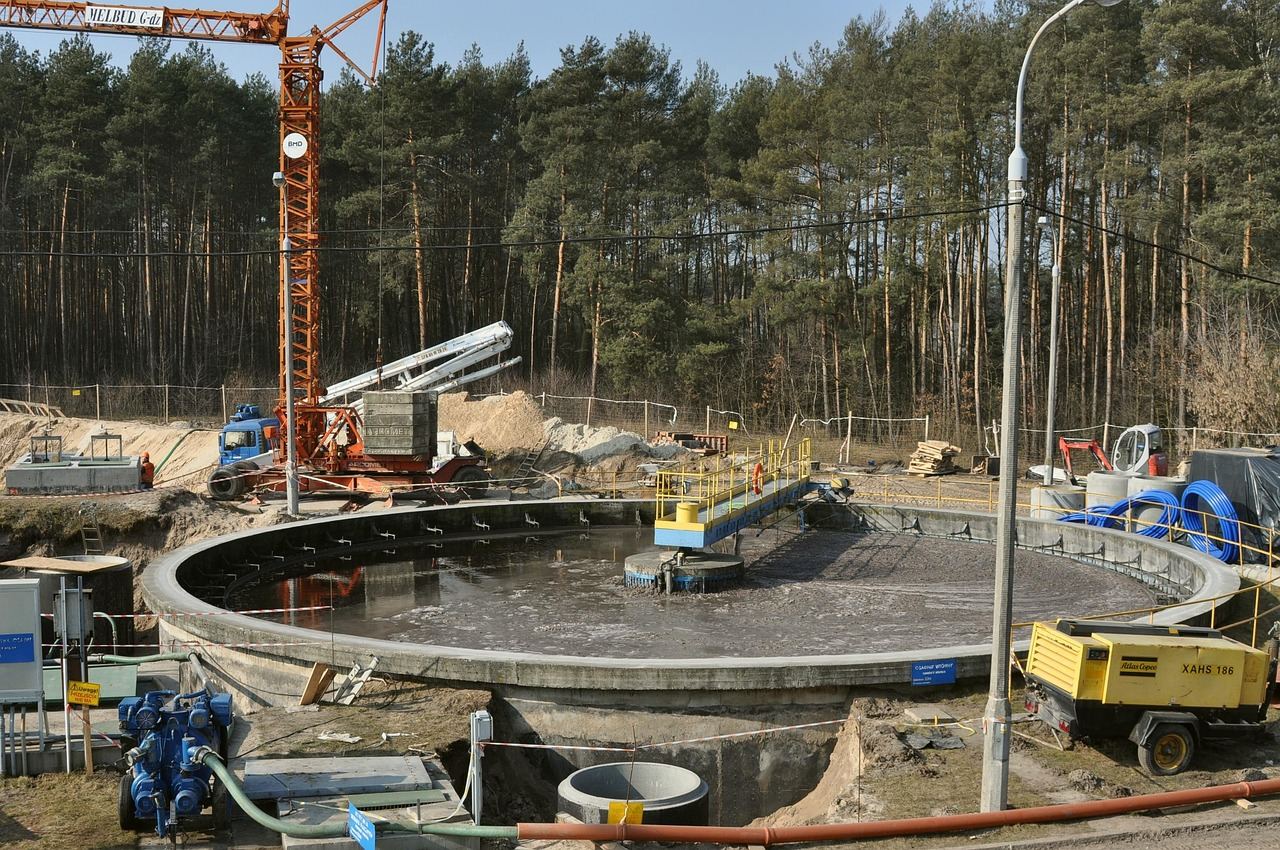
Treated water reuse projects differ according to the water available, the duty it must serve and the discharge or residuals that remain. Supplied treated sewage effluent (TSE) can require further treatment or polishing for cooling, irrigation, washdown or process-water use. Separate greywater and blackwater collection creates different treatment and reuse routes for each stream. Industrial recovery projects are driven by discharge restrictions or disposal costs, while ZLD applies only when it is a defined project requirement. Across these conditions, the aim is to reduce fresh-water purchases and wastewater disposal costs while meeting the quality, operating and regulatory requirements of each use.

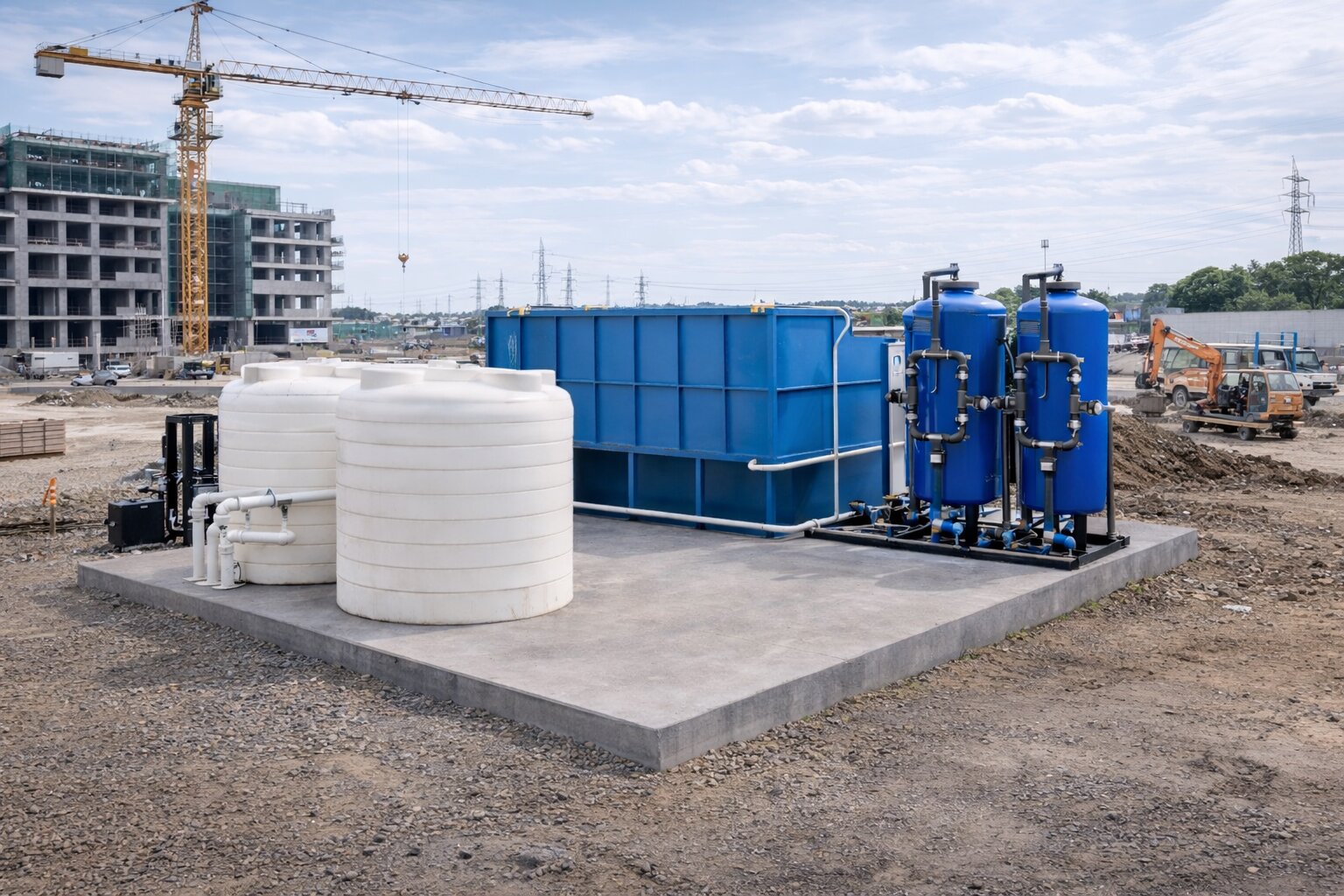
Treated water reuse hero image
Overview
We establish which water sources should remain separate and the quality required by each reuse duty. Treatment, storage, distribution, monitoring and residuals are then defined around that basis.
TSE treatment & polishingGreywater & blackwaterOnsite water recoveryIndustrial recovery / ZLD

Treated Water IconProject conditions for water reuse and recovery

Each project starts from a different condition. Supplied TSE may need further treatment before it can serve a defined use. Greywater and blackwater may justify separate collection and routes. Industrial projects may instead be driven by water recovery, discharge limits or disposal cost.

FlowPlan(TSE+) Icon

FlowPlan - TSE+ | Treatment and polishing of supplied TSE

Project condition: TSE is supplied to the site, but its quality or reliability is not sufficient for the intended cooling, irrigation, washdown or process-water duty.

Project decisions: The required final quality is checked against the supplied-water quality and variability. This determines the treatment, polishing, disinfection and off-spec water requirements.

Possible scope: Source-water characterization, end-use quality requirements, filtration, disinfection, softening, UF, RO or other treatment where justified, together with storage, distribution, monitoring and operating requirements.

Project basis: Final water quality, process requirements, storage and distribution needs, monitoring points, operating limits and performance criteria for the supplied TSE route.
FlowPlan(Dual+Reuse) Icon

FlowPlan - Dual+Reuse | Separate greywater and blackwater routes

Project condition: A site produces both greywater and blackwater. Separate collection may allow greywater to be treated for WC flushing without mixing it with blackwater, which follows a more extensive treatment route.

Project decisions: Collection feasibility, available volumes and new-build or retrofit constraints determine whether separate collection is warranted. Treatment, disinfection, storage, distribution and cross-connection controls are then defined for each stream.

Possible scope: Collection and water-balance review, greywater treatment and disinfection, blackwater treatment and polishing, separate tanks and distribution, cross-connection control, monitoring, off-spec water and residuals handling.

Project basis: Whether separate routes are justified and, if so, the treatment, storage, distribution, monitoring, cross-connection and residuals requirements for each source.
FlowPlan(ZLD+) Icon

FlowPlan - ZLD+ | Industrial recovery and discharge control

Project condition: An industrial site faces restricted discharge, high disposal costs or a defined near-zero or zero-liquid-discharge requirement. The project centres on water recovery and concentrate management rather than a conventional reuse outlet.

Project decisions: The recovery target depends on the water balance, stream chemistry, scaling and fouling risk, utilities and operating capacity. The remaining brine, salts and solids require a defined management route.

Possible scope: Source segregation, pretreatment, RO or other recovery steps where justified, evaporation or further concentration where required, recovered-water return, brine and solids handling, utilities, controls and viability checks.

Project basis: A staged industrial recovery route covering the recovery target, uses for recovered water, concentration requirements, utility demand and brine, salt and solids management. ZLD is included only where the project requires it and the technical and operating basis supports it.
Reuse and recovery project basis

Water source, intended use, water balance, treatment requirements and the remaining discharge or residuals stay connected throughout the project. Their relative importance changes by route, but together they set the recovery level, system requirements and operating basis.

Reuse pathwayconsiderations

Treatment selection follows the water source, intended use, demand profile, required quality and consequences of off-spec water. These conditions set the treatment, storage, distribution, monitoring and residuals requirements.

Quick definitions: TSE is treated sewage effluent that may require further treatment before a defined site use. UF and RO are considered only when source quality and the intended use justify a membrane barrier. Dual+Reuse refers to separate greywater and blackwater collection, with each stream assigned its own treatment and outlet. ZLD is an industrial discharge-control route in which liquid discharge is eliminated and salts or solids remain for management.

Water source Reuse duties Recovery and residuals

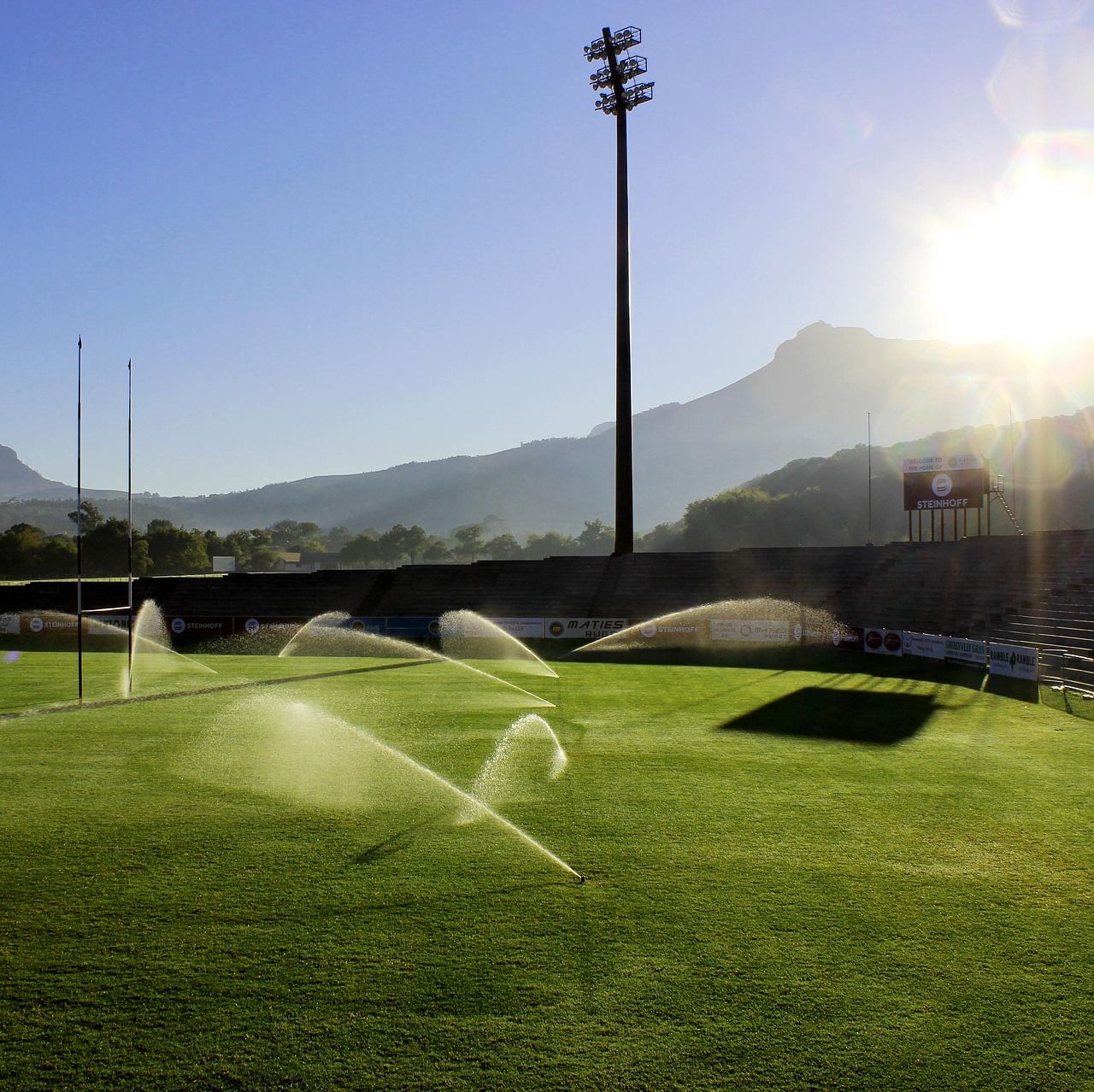
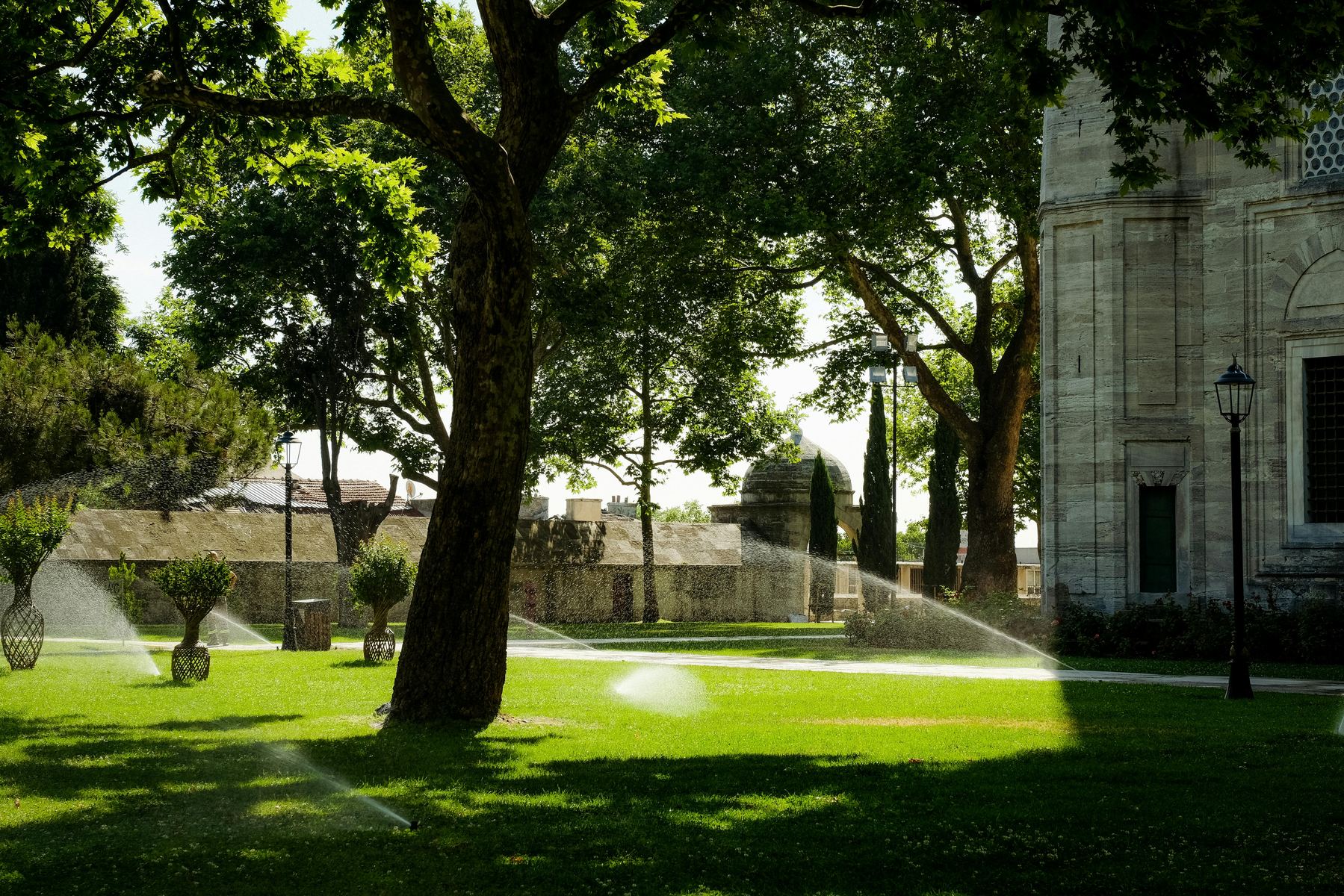
Typical reuse duties include cooling makeup, irrigation and landscaping, process reuse, washdown, utility water and other defined site uses.

1) Water source, demand and required quality

Source quality and availability are assessed against demand, required water quality and seasonal balance. Periods when supply and demand do not align, together with off-spec water, are included in the project basis.

  • Supplied TSE: delivered quality and variability are checked against the intended use. This comparison sets the treatment, polishing and control duty.
  • Greywater and blackwater: collection feasibility, available volumes and intended outlets determine whether separate treatment, storage and distribution are justified.
  • Industrial recovery: the water balance, stream chemistry and remaining liquid load determine the recovery target and the effect of concentration on utilities, fouling and residuals.

2) Route by project condition

Supplied TSE treatment and polishing

FlowPlan - TSE+ / FlowPlan - UFRO+

Supplied TSE may need further treatment before it can serve the intended use. Delivered quality, variability and required final quality determine whether filtration, disinfection, softening, UF, RO or another step is justified. Storage, distribution and off-spec water management are included in the same route.

Separate greywater and blackwater routes

FlowPlan - Dual+Reuse

Separate collection can allow greywater to serve WC flushing without being mixed with blackwater. Available volumes and collection arrangements determine whether separate routing is warranted. New-build or retrofit conditions, separate storage, distribution, cross-connection control and residuals then define the route.

Industrial recovery and discharge control

FlowPlan - ZLD+

Industrial recovery projects are developed around the water that can be returned to use and the liquid, salts and solids that remain. Discharge limits, disposal cost, stream chemistry and utility demand determine the recovery level and concentration route. A defined ZLD requirement adds final concentration, solids handling and a verified route for the remaining salts or other residuals. ZLD is not assumed where a lower-recovery route meets the project requirement.

3) System connections and operating requirements

The project basis includes source variability, demand profile, required water quality, storage and distribution, off-spec water, reject and residuals. Utilities, controls, operator capacity and commissioning requirements are included where they affect the route.

Source water & variability
Reuse demand & required quality
Storage / distribution / controls
Off-spec water / reject / residuals

A reuse route must work across the full water balance

A recovery percentage alone does not define a reuse project. The available source, its timing and quality must match an identified demand. Off-spec water, reject and residuals also need defined routes. These conditions are balanced against fresh-water replacement, disposal reduction, treatment complexity, utilities, operator capacity and compliance before the recovery target is set.

Match source water to the reuse demand. Confirm the available volume, quality and variability against the required use, demand pattern, storage and distribution so the project does not produce water that cannot be used reliably.
Set a justified recovery level. Compare selective, partial and higher recovery against fresh-water savings, contaminant concentration, energy and chemical demand, fouling or scaling risk, operating reliability and the residuals that remain.
Define routes for off-spec water and residuals. Establish monitoring, diversion or recirculation, backup supply, reject or brine handling, sludge and operator response before reclaimed water is returned to use.

Discuss the reuse project

Share the water source, available quality data and intended reuse duties. Current collection or treatment arrangements, fresh-water purchase and wastewater disposal costs, regulatory requirements and any stated recovery or ZLD requirement are also useful. This information helps define the treatment duties, segregation decisions and system connections.

Prepare enquiry details

Helpful context to include

  • Water source, available flow, quality data and variability, including supplied TSE, greywater, blackwater, industrial effluent or concentrate
  • Intended reuse duties and required quality, such as WC flushing, irrigation, cooling makeup, process reuse, washdown or utility water
  • Current collection, segregation, storage and distribution arrangements, including any greywater and blackwater separation or cross-connection constraints
  • Fresh water purchase and wastewater disposal costs, discharge or compliance limits, recovery target, utilities, residuals, operating capacity and commissioning needs
Prepare your reuse enquiry
Continue to contact form