EnWater Design

Projects Biosolids

Biosolids & Residuals

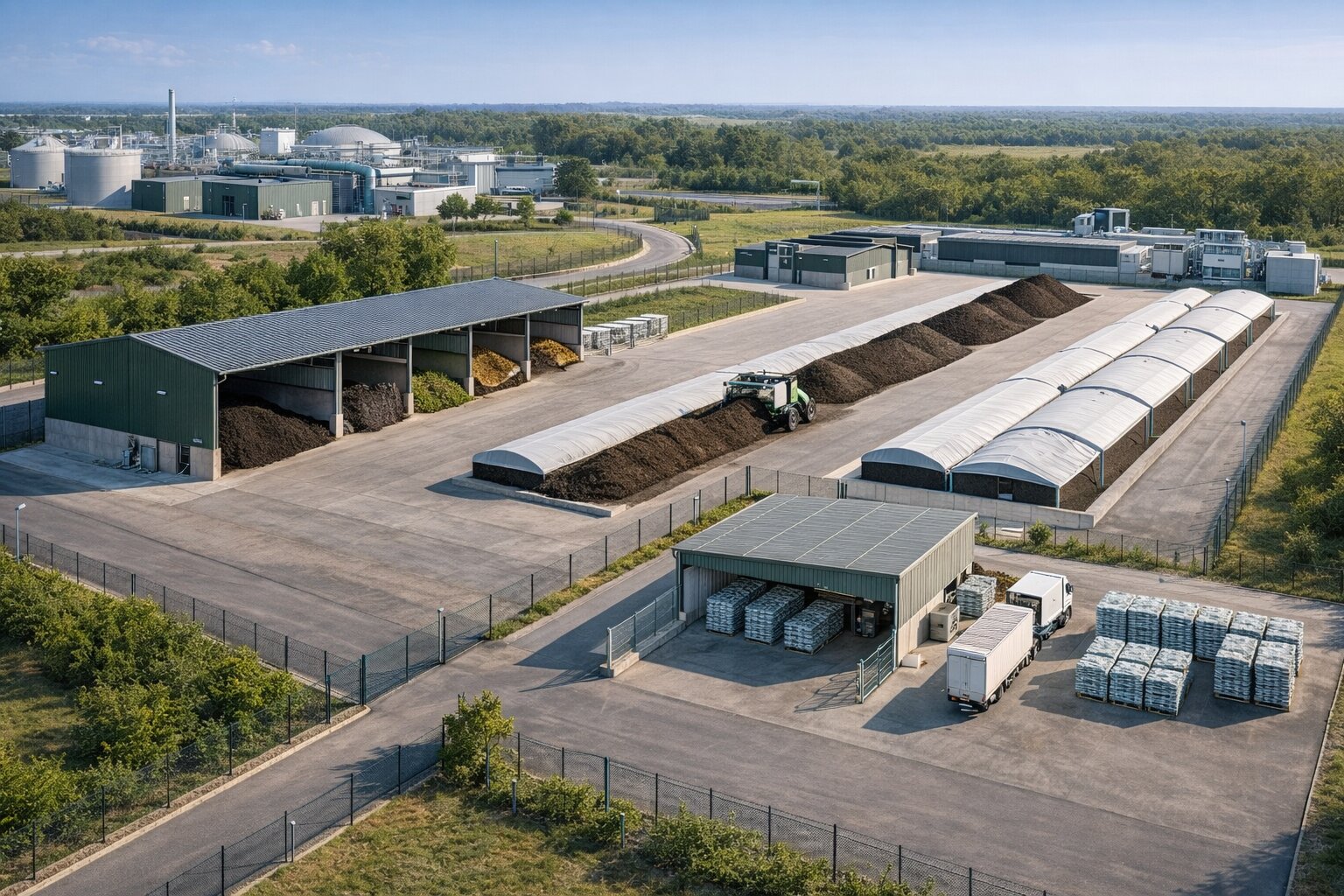
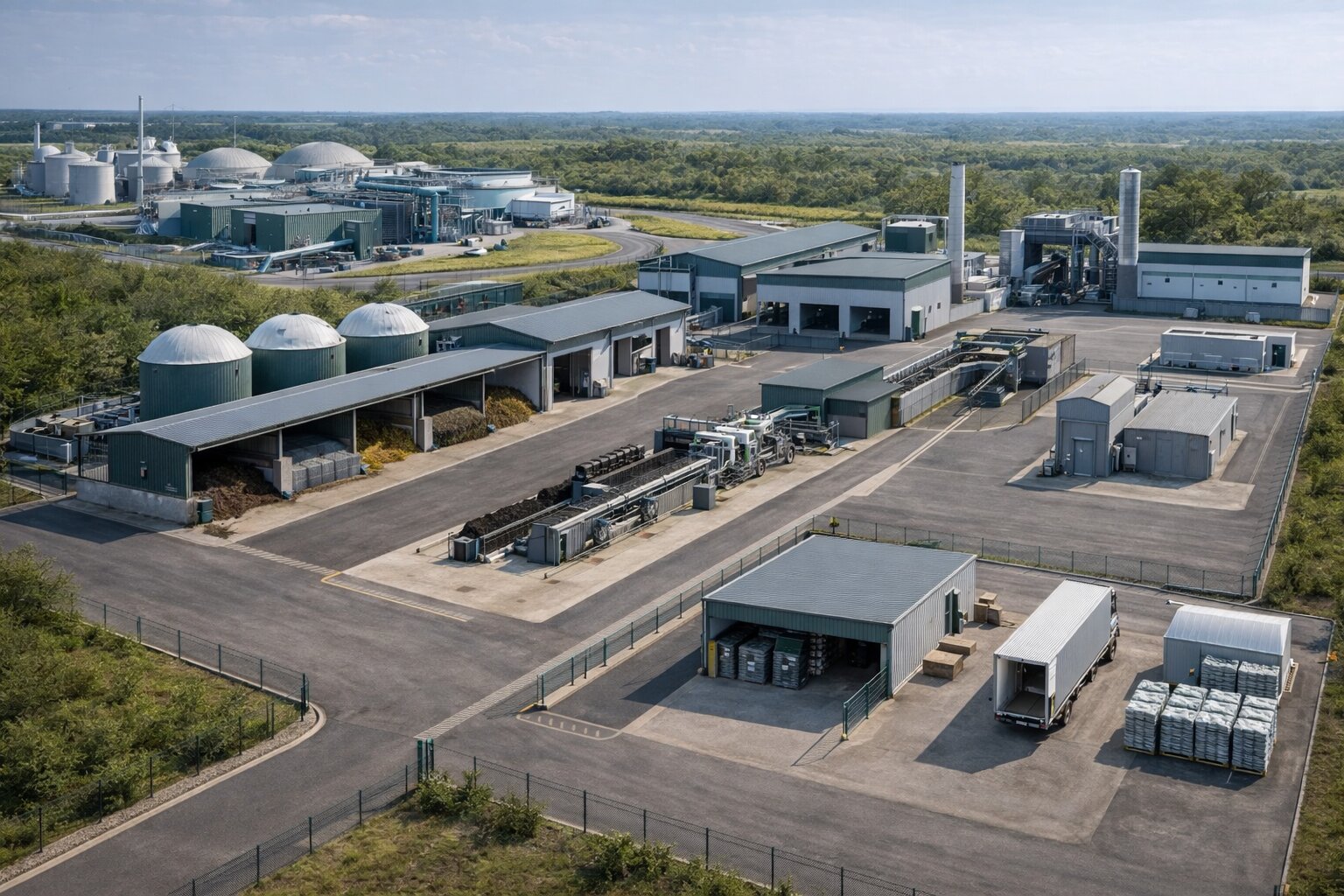
Biosolids and residuals projects include new solids-processing systems, upgrades to existing thickening, stabilisation, dewatering, drying or storage, and the development of composting, product or thermal routes, including ash recovery where relevant. The project basis connects sludge and residuals production, return-liquor loads and water removal with testing, storage, transport, the requirements of the intended outlet and workable fallback arrangements before equipment is specified.

Biosolids and residuals hero image

Overview

The project basis defines the sludge and residuals balance, the return-liquor loads and water-removal duty, the intended outlet and logistics, and the testing and operating requirements needed before design or procurement.

Sludge & residuals Stabilisation Water removal Return liquors Final use / disposal Testing & acceptance

Biosolids IconProject conditions that change the solids route

These project conditions represent different starting points and objectives rather than standard plant designs. They cover water removal, final-use planning, composting, product manufacture, digestion before thermal treatment, and ash recovery from mono-incineration. Other treatment residuals are included when they affect handling, recovery or disposal. Each condition is linked to the project decisions, possible scope and project basis that must be resolved before treatment or equipment is selected.

FlowPlan(Incineration+) Icon

FlowPlan - Incineration+ | Digestion-first thermal treatment

Project condition: Land application, product or disposal outlets are constrained and a thermal solids-reduction route is under consideration. Anaerobic digestion is assessed as a possible preceding step for stabilisation and biogas recovery rather than assumed.

Project decisions: Whether digestion is justified by sludge quantity and characteristics; the achievable volatile-solids reduction and biogas production; how digestion affects downstream dewatering, drying and the net incineration energy balance; and how emissions and ash will be managed.

Possible scope: Anaerobic digestion, biogas use, dewatering, drying where required, mono-incineration, heat recovery, emissions control and ash handling.

Project basis: Whether digestion should precede thermal treatment and, if so, the solids, energy, emissions and ash basis for the complete route.

FlowPlan(Incineration+AshRec) Icon

FlowPlan - Incineration+AshRec | Ash and phosphorus recovery

Project condition: Mono-incineration is operating or planned, and the long-term basis for ash disposal or phosphorus recovery has to be established.

Project decisions: Whether ash composition and contaminant levels support recovery, which recovery process is suited to the ash and intended product, what residuals remain, and whether the recovered material has a permitted and accepted use.

Possible scope: Ash sampling and characterisation, recovery option comparison, mass balance, utilities, residuals handling, product testing and fallback disposal.

Project basis: Whether phosphorus recovery is justified and, if so, the ash quality, selected process, recovered material, residuals, operating requirements, acceptance tests and fallback disposal basis.

FlowPlan(Compost+) Icon

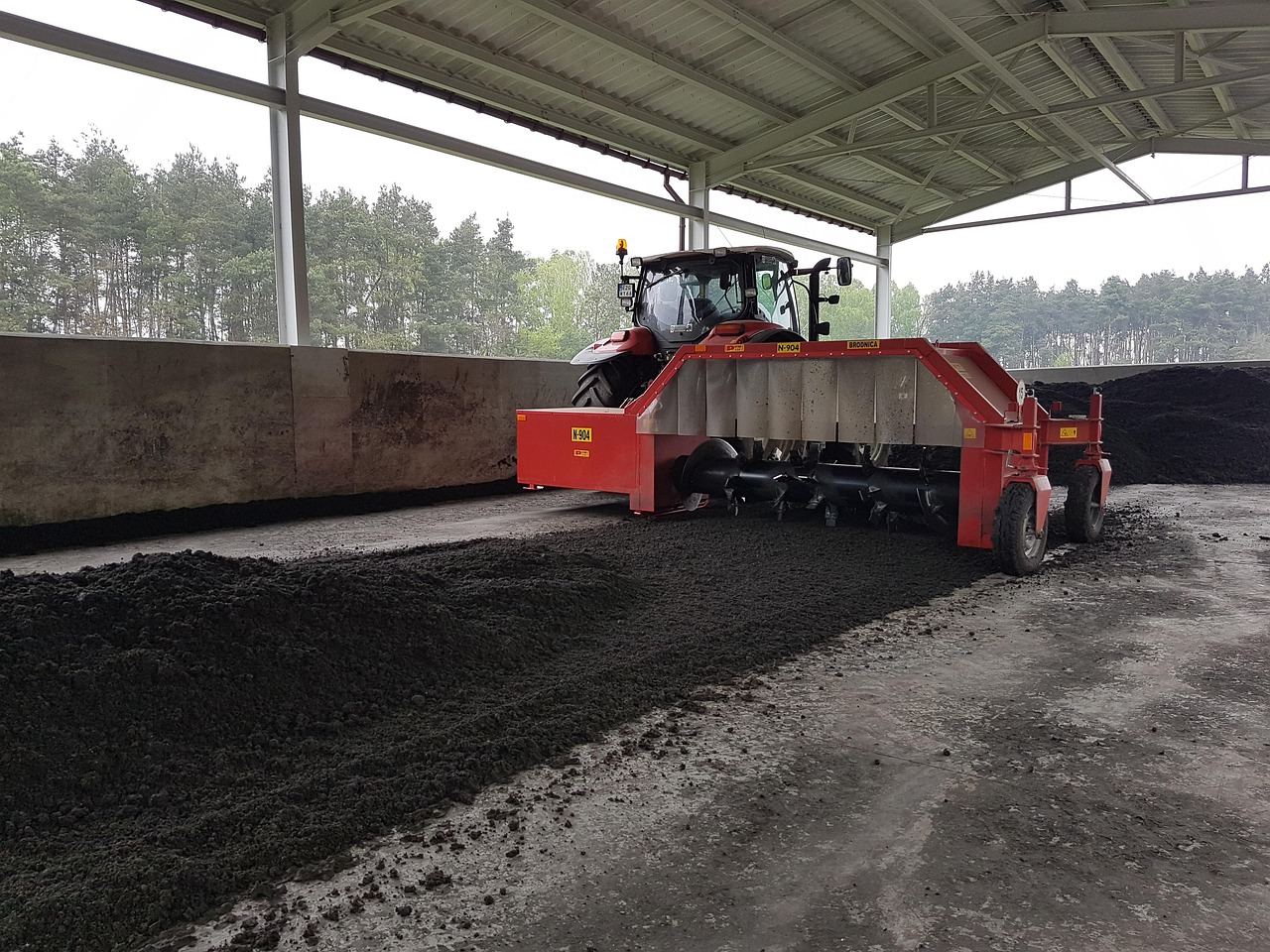
FlowPlan - Compost+ | Composting and land-use route

Project condition: A permitted land-use route is being considered for composted solids, with the treatment and operating basis needed to produce a stable material accepted for that use.

Project decisions: Whether sludge moisture and stability are suitable for the selected composting method, what bulking agent and aeration are required, how pathogen reduction, odor, leachate and stormwater will be controlled, and what local regulatory and receiving requirements apply.

Possible scope: Feed preparation, dewatering or drying, aerated static pile or windrow layout, aeration, temperature control, curing, screening, storage, leachate and odor control.

Project basis: A composting basis defining feed preparation, throughput, operating controls, testing, storage, receiving requirements and fallback disposal.

FlowPlan(Sludge+Reduce) Icon

FlowPlan - Sludge+Reduce | Dewatering, drying and volume reduction

Project condition: Water-removal capacity or storage has to be added, replaced or improved to meet the solids load, required cake dryness, haulage limits, storage needs or operating cost target.

Project decisions: What limits thickening or dewatering performance, the achievable cake solids, whether passive or thermal drying is justified, and how return liquors, odor, storage and seasonal operation affect the selection.

Possible scope: Thickening, conditioning, dewatering equipment, polymer trials, drying beds or thermal drying, storage, handling, return-liquor management and performance testing.

Project basis: The achievable cake solids, selected water-removal method, utility and operator requirements, return-liquor loads, storage, haulage reduction and acceptance tests.

FlowPlan(Sludge+ReusePlan) Icon

FlowPlan - Sludge+ReusePlan | Solids management and final-use planning

Project condition: A final-use or disposal route has not been established, or the present outlet is no longer reliable, accepted or economical. Major equipment decisions depend on a workable receiving and fallback basis.

Project decisions: What sludge quantity and quality must be managed; which outlets are permitted, accepted and available on a dependable basis; what treatment and testing each requires; and what fallback disposal route is needed.

Possible scope: Sludge and return-liquor balance, use and disposal option review, regulatory review, testing plan, logistics, cost comparison, outlet acceptance requirements and fallback disposal.

Project basis: An outlet-led solids basis showing the required treatment, acceptance criteria, logistics, operating implications and technical information needed before design or procurement.

FlowPlan(Sludge+Products) Icon

FlowPlan - Sludge+Products | Product development and registration

Project condition: Stabilised or dried solids are being assessed for a defined fertiliser, soil conditioner or organo-mineral product instead of direct land application or disposal.

Project decisions: Whether nutrient value, contaminant and pathogen limits, moisture, additives, blending, granulation, storage stability, registration and user requirements can support a defined product.

Possible scope: Feed characterisation, drying, hygienisation where required, formulation and blending, optional pelletisation or granulation, product testing, registration requirements, packaging, application requirements and off-spec handling.

Project basis: Whether the material can meet the requirements for a defined product, with the necessary formulation, quality limits, testing, registration, storage, application and off-spec provisions.

Biosolids and residuals project basis

A complete project basis connects sludge production and return-liquor loads with stabilisation, water removal, storage, testing, transport, the intended outlet and fallback arrangements.

Biosolids pathwayconsiderations

These considerations define the solids route from production through processing to final use or disposal. They cover sludge and return-liquor quantities, the required processing duty, operating requirements, testing, outlet acceptance and fallback arrangements.

Quick definitions: AD = anaerobic digestion; dewatering = mechanical water removal; drying = passive or thermal water removal; composting = aerobic stabilisation and curing; product route = processing, quality control and any required registration for a defined use; thermal route = mono-incineration with emissions and ash management; ash recovery = conditional phosphorus recovery from suitable mono-incineration ash.

Sludge and return-liquor balance Required processing duty Outlet and fallback basis

Each processing option is assessed against outlet acceptance, return-liquor loads, utilities, operating demand and fallback disposal.

1) Sludge and return-liquor balance

The balance defines the solids and return-liquor quantities and characteristics that the project must manage under average, peak and changing operating conditions.

  • Sludge sources, quantities, dry-solids range, variability, stabilisation status and contaminant risks.
  • Thickener overflow, filtrate, centrate and leachate volumes and loads returned to wastewater treatment.
  • Existing or proposed storage, haulage and outlet arrangements, disposal costs, and restrictions on use or disposal.

2) Required solids processing

Volume reduction

Dewatering & drying

The water-removal duty depends on incoming solids, required cake dryness, storage and transport limits, outlet requirements, available area, utilities and seasonal operation.

Biological stabilisation

Digestion or composting

Digestion and composting serve different positions in the solids route. The choice depends on the required volatile-solids and pathogen reduction, odor control, biogas potential, downstream water removal, final outlet and operating capacity.

Final processing

Product route, thermal route or both

A product route, thermal route or combination depends on sludge quantity and characteristics, achievable dryness, contaminants, energy balance, defined outlets and the need for a dependable fallback route. Different solids fractions may justify different destinations.

3) Final-use and disposal basis

Each processing route is assessed against regulatory requirements, receiving conditions, storage and transport, operator capacity, utilities, residuals, testing, and continuity when the preferred outlet is unavailable.

Local regulatory and acceptance criteria
Testing, sampling and release requirements
Storage, transport and seasonal demand
Odor, leachate and return-liquor controls
Utilities, operator needs and maintenance
Fallback disposal route and performance tests

A dependable solids route requires the complete project basis

A dependable solids route links stabilisation, water removal, return-liquor management, testing, storage, transport and the final outlet. Receiving arrangements and fallback capacity must also remain workable when material quality, solids production or outlet availability changes.

Treatment and outlet requirements: Land use, product manufacture, thermal treatment and disposal each impose different stabilisation, moisture, contaminant, testing and receiving requirements.
Water removal and return liquors: Thickening, dewatering and drying affect cake mass and volume, haulage, storage, energy demand and the concentrated loads returned to wastewater treatment.
Storage, logistics and outlet continuity: Seasonal demand, transport, outlet acceptance, off-spec material and fallback capacity must remain workable under site operating conditions.

Discuss the biosolids project

The initial review is based on the sludge source, present or proposed handling route, project need and intended outlet. These details are carried into the main contact form so the project basis can be reviewed before treatment or equipment is selected.

Sludge sources, quantities, dry-solids range and current stabilisation
Current thickening, dewatering, drying, storage and return-liquor handling
Present use or disposal route, haulage or disposal cost and any outlet restriction or rejection issue
Odor, space, power, heat, chemical, operator or logistics constraints
Intended use or disposal route, required testing and unresolved decisions
Project details
Continue to contact form