
EnWater Design › Sectors
Sector Pathways
Water and wastewater projects do not follow one standard pattern across sectors. Sources, contaminants, operating cycles, reuse demand, maintenance capacity and discharge conditions all change the project basis. Each sector pathway examines those conditions first, then develops the water balance, treatment route, operating requirements and supplier scope around them.
Sector conditions define the project
A sector pathway establishes the project basis before technologies are compared. It connects water use, wastewater characteristics, operating patterns, end-use requirements and site constraints to the decisions that define recovery, treatment, controls, supplier scope and performance verification.
Advisory
Water balance and project targets
- Water use and recoverable volumes are assessed against credible reuse or discharge requirements.
- Performance requirements and review checks are defined before procurement.
- Supplier scope is prepared on one consistent basis for pricing and comparison.
FlowPlan
Treatment route and operating basis
- Route components are matched to stream conditions, variability and operator capacity.
- Process sequence, controls and operating boundaries are set out as one coordinated basis.
- Supplier proposals are compared against the same duties and verification requirements.
Project basis: Baseline Targets
Route Controls Scope Verification
Specialist
Critical data and sector-specific checks
- Unknowns affecting recovery, stability or compliance are identified early.
- Sampling and monitoring focus on the conditions with the greatest effect on route selection and performance.
- Relevant operating experience is used to test assumptions and avoid recurring failure modes.
Sector pathways by operating context
Each pathway sets out the water uses, wastewater characteristics, operating constraints and decision points that distinguish the sector. The pages show how those conditions influence savings, treatment stability, reuse or discharge requirements and supplier scope; they do not prescribe a standard design.

Urban / Decentralized
Facility Management & Labor Camps
Residential clusters, labor camps and managed facilities combine occupancy-driven flow changes with recurring non-potable demand. Source separation, storage, operator coverage and odor control determine whether greywater or treated-effluent reuse remains dependable.

Commercial
Hotels & Commercial Towers
Hotels, towers and malls combine substantial non-potable demand with changing occupancy, cooling loads and service-water chemistry. Source separation, storage, surfactants, FOG and odor sensitivity set the treatment and reuse basis.
Commercial
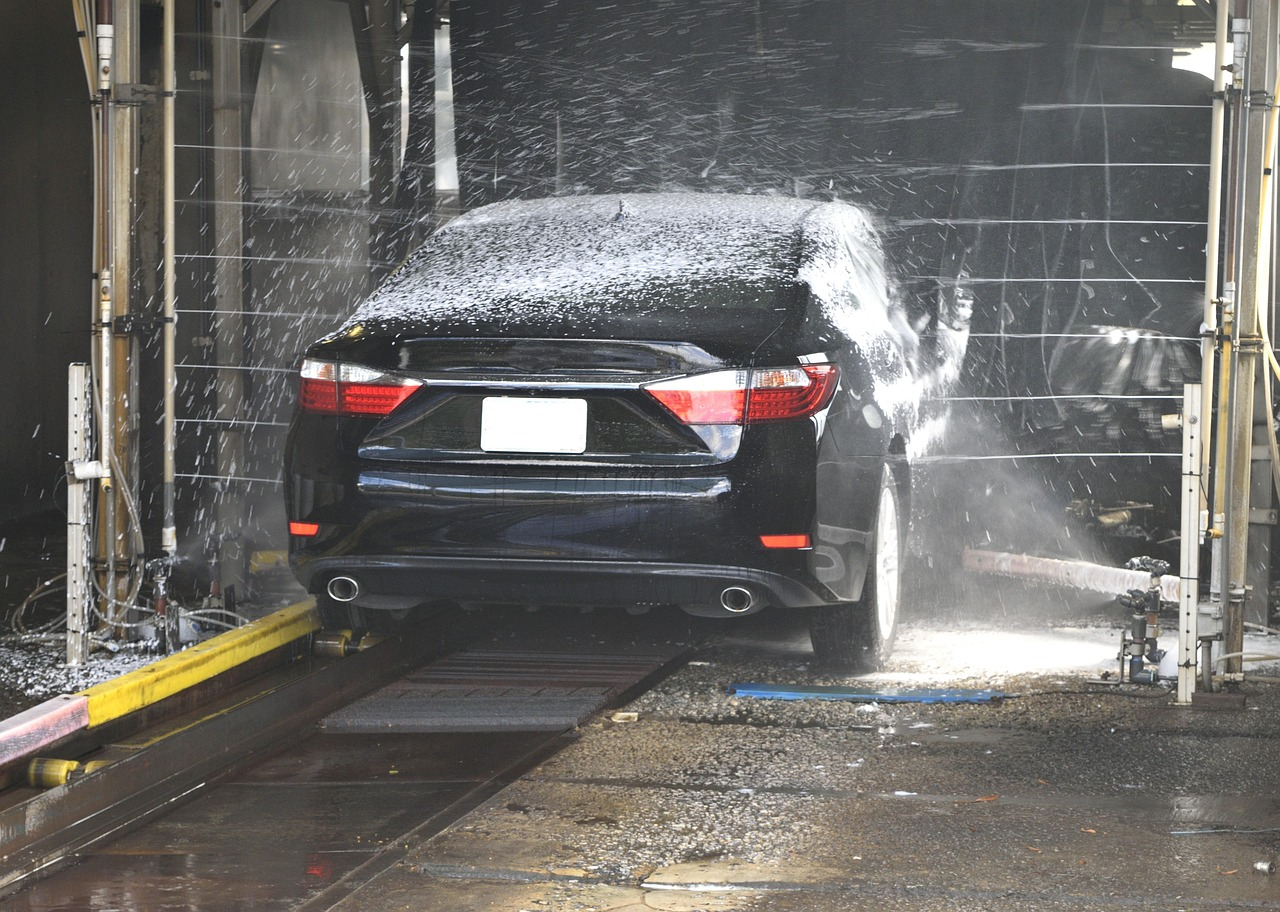
Vehicle Wash / Car Wash
Vehicle-wash wastewater arrives in short, high-volume cycles and carries grit, oils, detergents and waxes. Recovery depends on reliable solids and oil capture, equalization and water-quality limits that protect wash performance and equipment.
Commercial
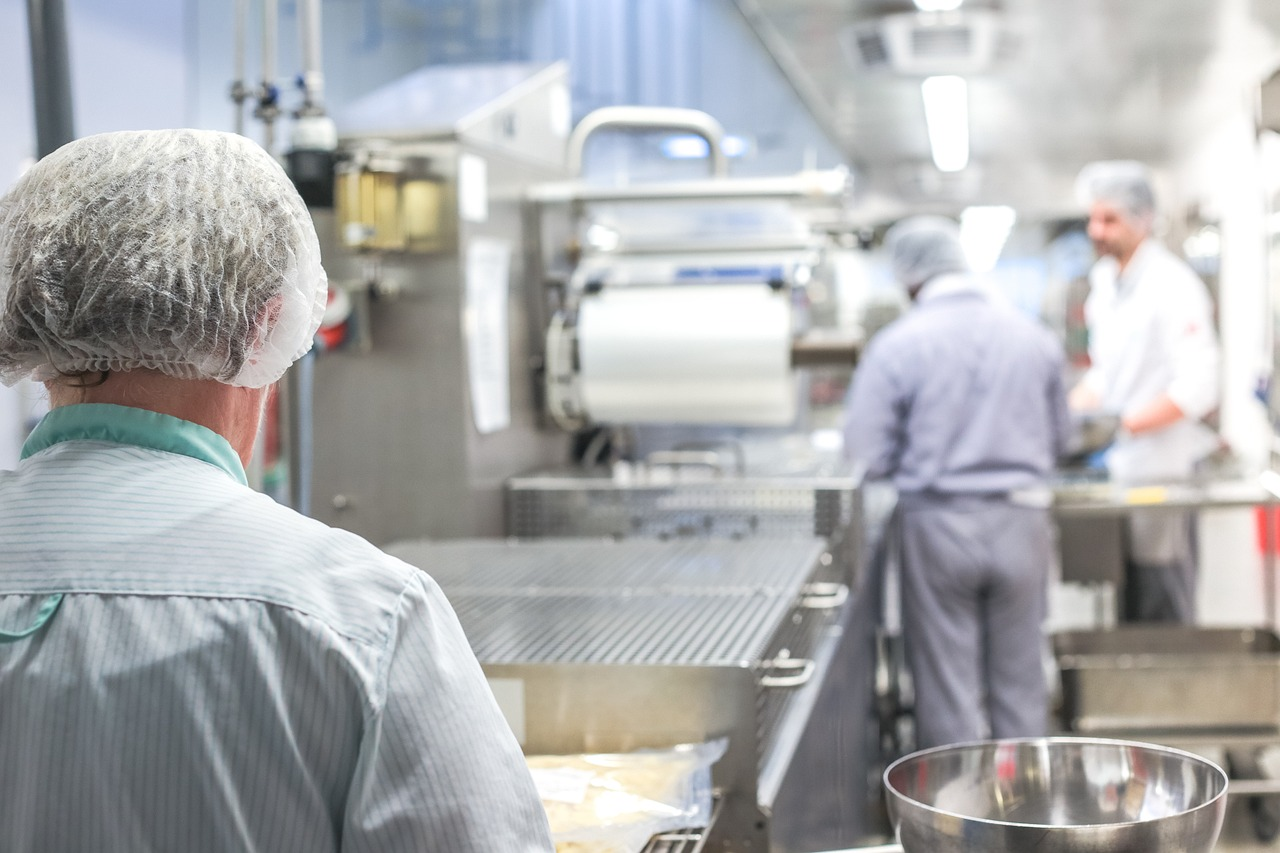
Catering & Restaurants
Commercial kitchens produce sharp service peaks, FOG-rich wastewater and cleaning-chemical shocks. Grease and solids control, equalization, odor management and maintenance discipline must be resolved before downstream treatment or reuse is defined.
Commercial
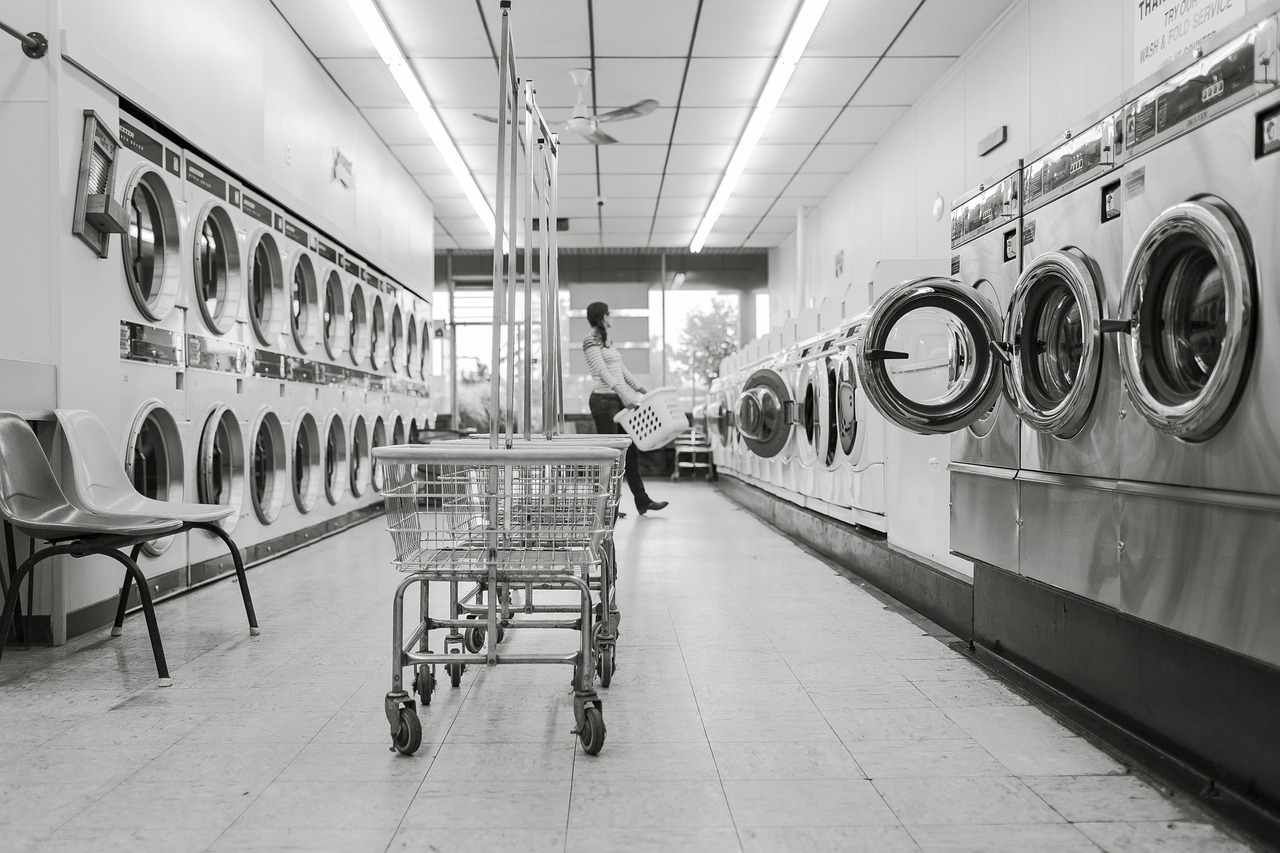
Commercial Laundry
Commercial laundry wastewater changes with fabric mix, wash chemistry, temperature, color and salt build-up. Reuse depends on controlling foaming, fouling and dissolved solids while maintaining the water quality required for the selected wash duty.
Industrial
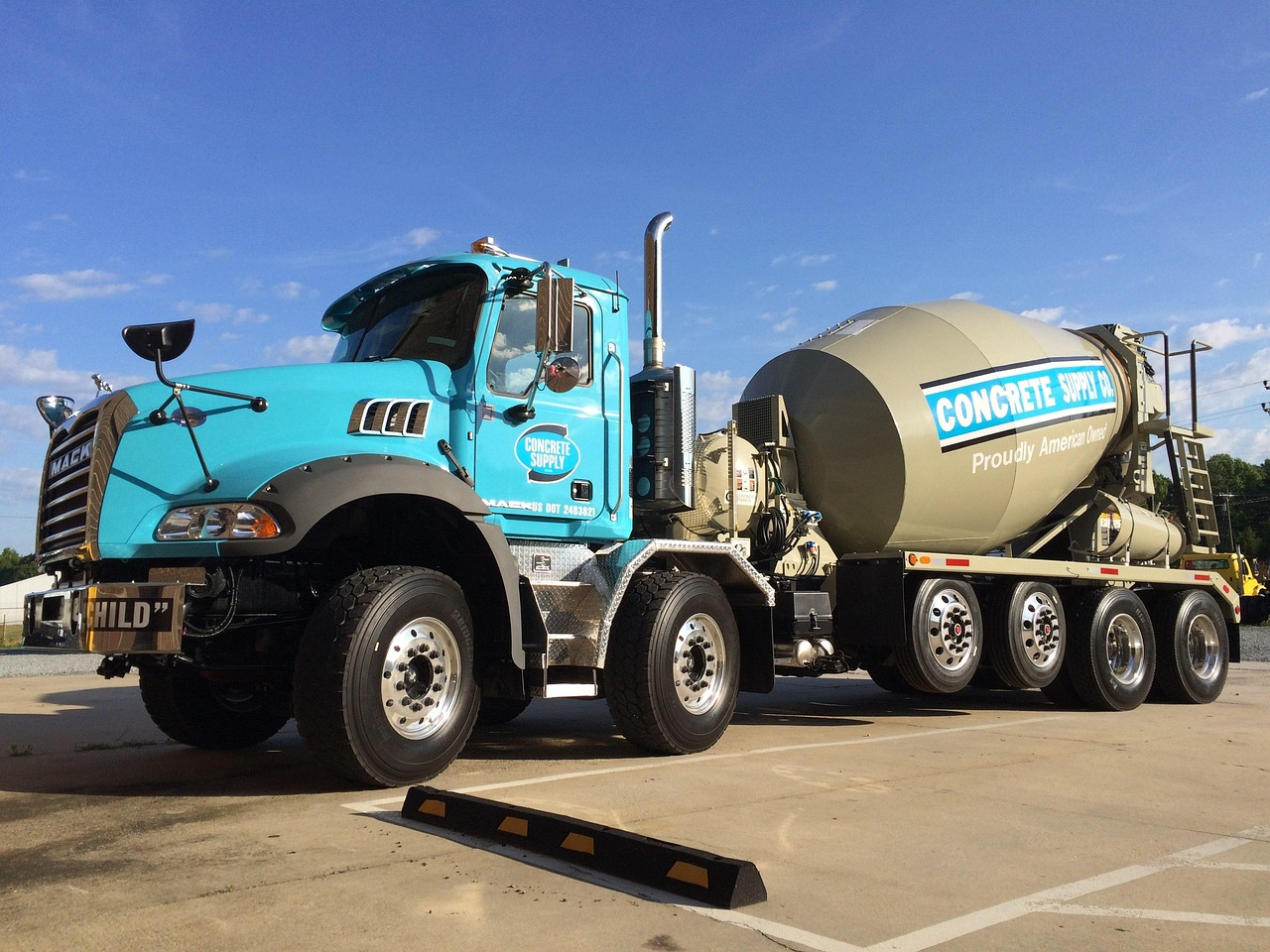
Ready-Mix / Construction
Ready-mix and construction washwater can both be alkaline and solids-rich, but their sources and reuse duties differ. Segregation, settling behavior, pH control and the intended use determine whether water returns to washout, dust suppression or batching support.
Industrial
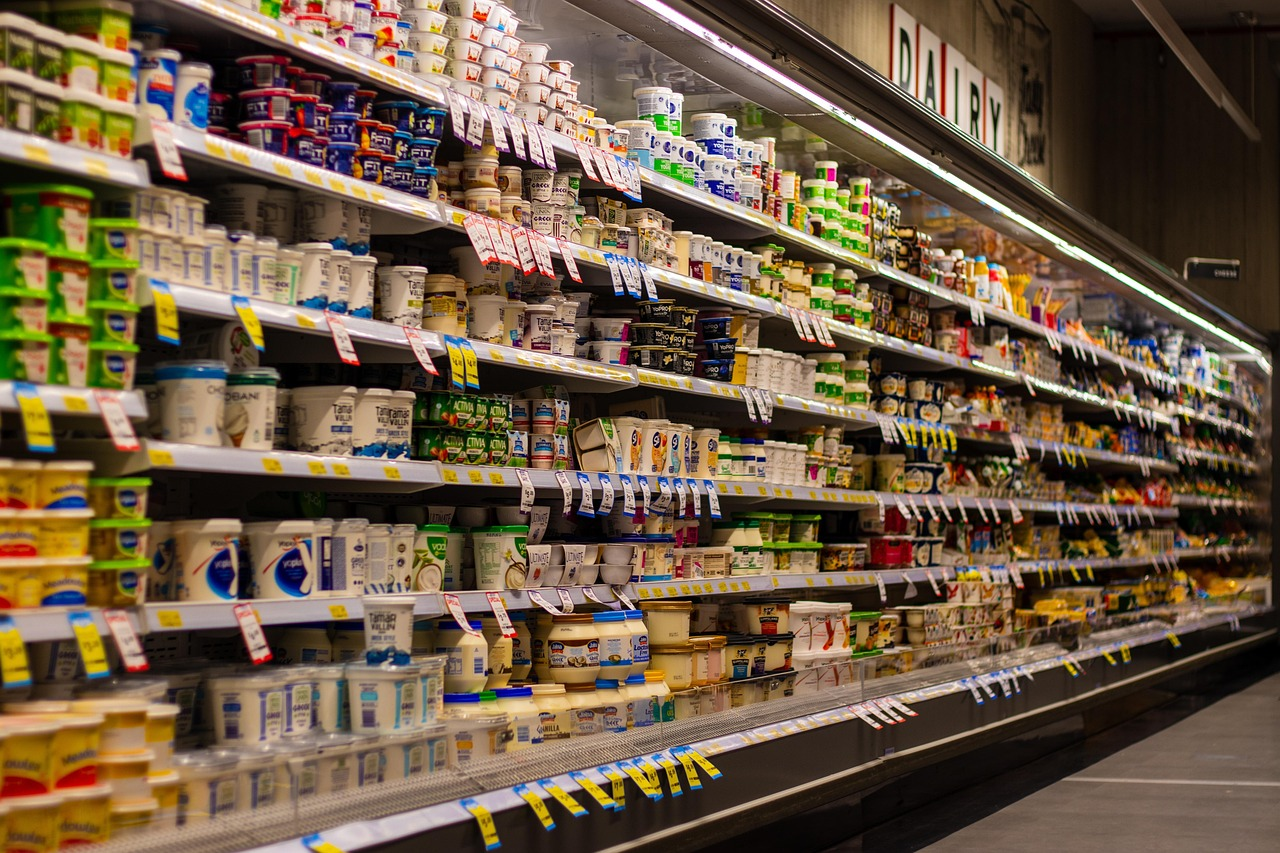
Food & Beverage Processing
Food and beverage sites generate washdown, cleaning-in-place and product-contact wastewater that changes by production cycle. FOG, suspended solids, organic load, cleaning chemistry and hygiene requirements define the route and the limits of reuse.
Industrial
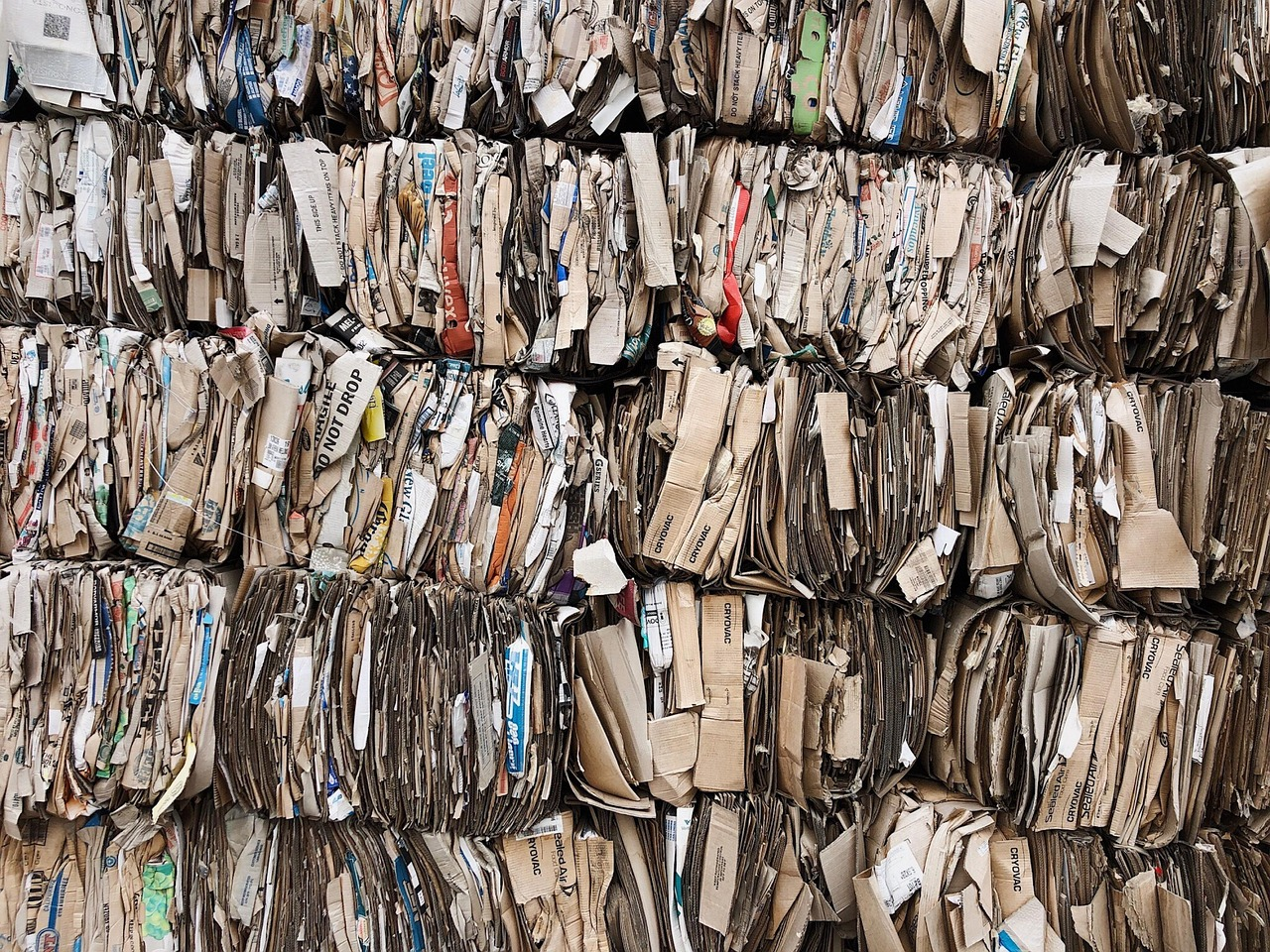
Paper & Packaging
Paper and packaging wastewater combines fibres, fines, color, dissolved organics and process chemicals. Internal recycle opportunities, solids recovery, biological stability and product-quality requirements determine how far treatment and polishing should proceed.

Industrial
Metal Finishing & Surface Treatment
Metal finishing and surface-treatment operations can generate separate metal-bearing rinses, concentrated bath dumps, oily wastewater, process chemicals and dissolved salts. Projects may require segregated treatment for compliant discharge, selective recovery or, where routine liquid discharge is restricted or unavailable, a complete ZLD route.
Shared Industrial Treatment
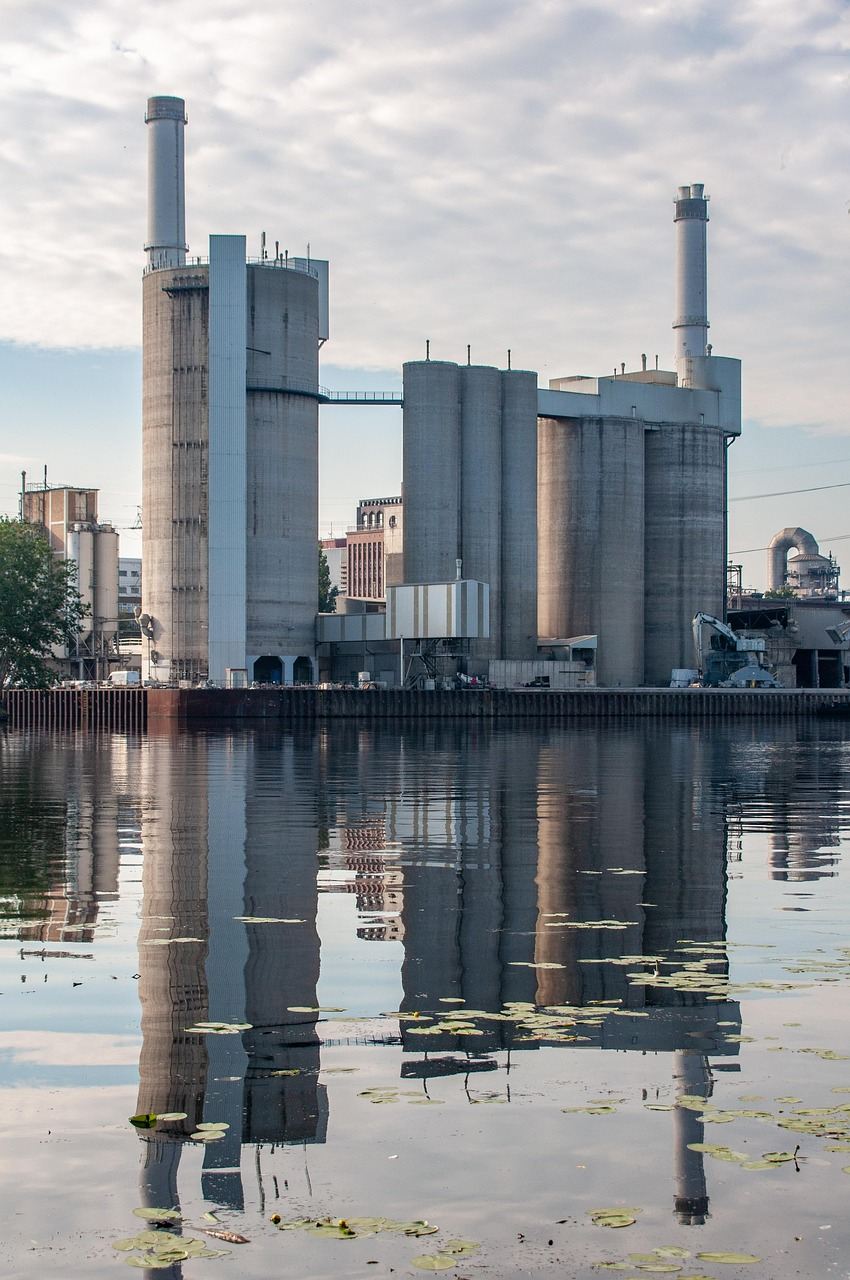
Common Effluent Treatment Plant (CETP) / Industrial Parks
Common effluent treatment plants receive wastewater from multiple contributors with different flows, strengths and contaminants. Contributor controls, intake limits, segregation, monitoring responsibilities and response to non-compliant loads define the plant and supplier basis.
Urban / Environmental
Stormwater & Urban Runoff
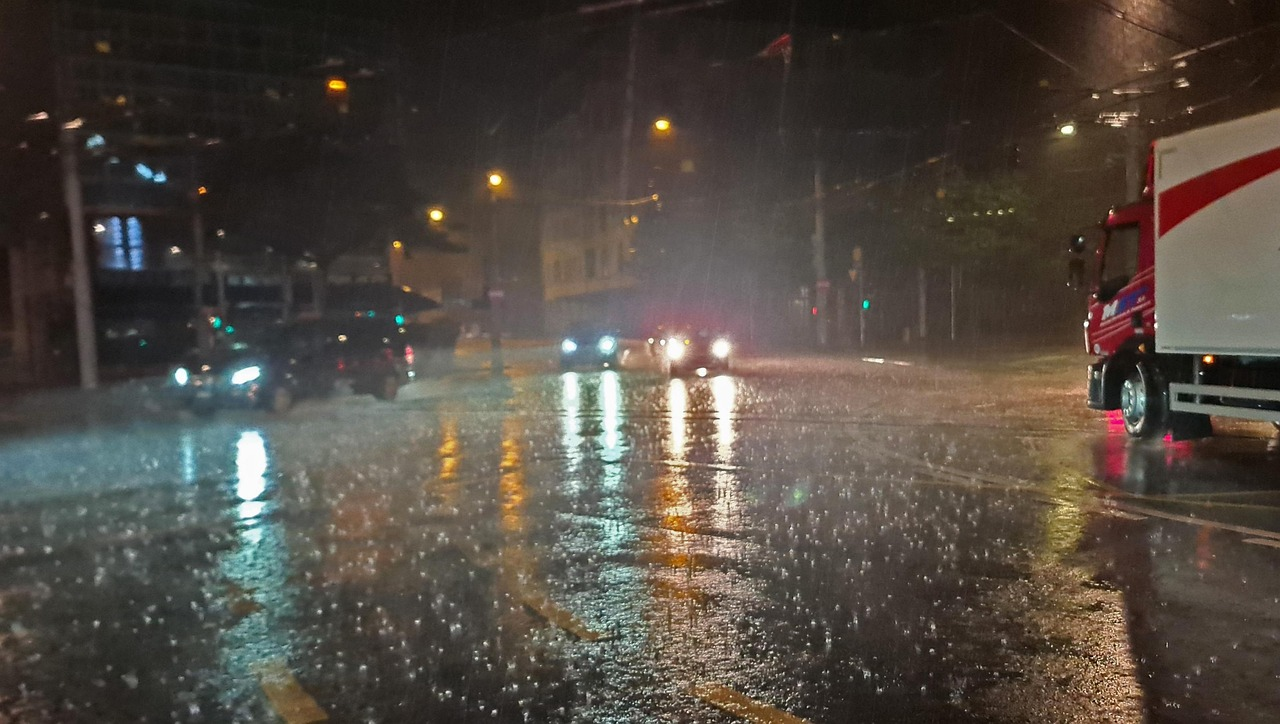
Urban runoff and construction stormwater are event-driven rather than continuous. Catchment conditions, first-flush solids and oils, storage volume and discharge sensitivity determine whether the priority is containment, treatment, reuse or a combination.
Industrial
Seafood Processing
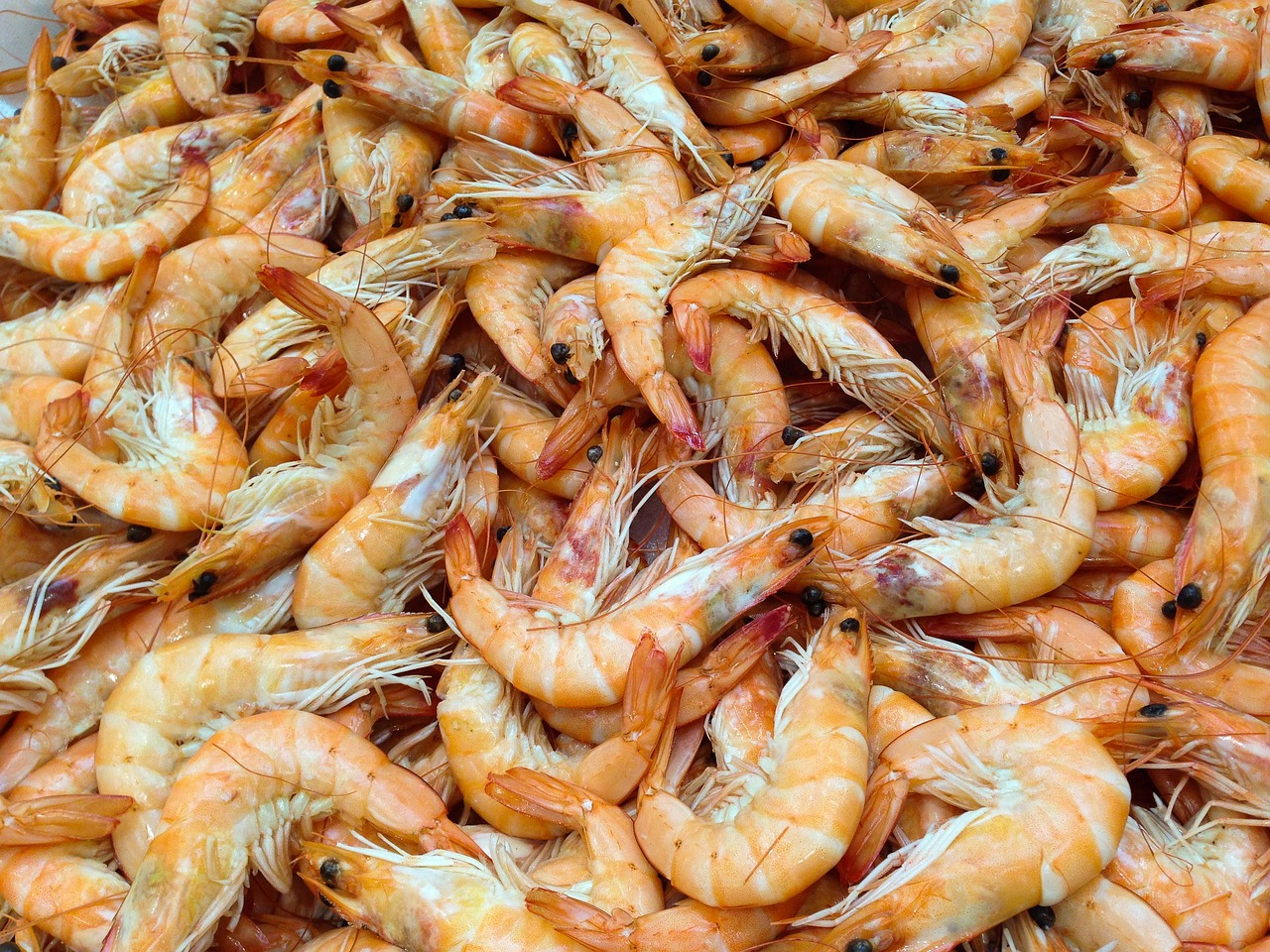
Seafood-processing wastewater can combine proteins, FOG, salts, suspended solids and rapid septicity. Upstream capture, temperature and salinity effects, biological or physicochemical treatment, odor control and sludge handling define the route.
A sector discussion brings together the water objective, flow and variability, intended end use, site constraints and available project information. From that basis, we define the diligence focus, treatment route and supplier-ready scope.
- Sector and primary objective (reuse / compliance / recovery)
- Indicative flow and known variability drivers
- Intended end uses (cooling, irrigation, washdown, flushing, process reuse)
- Site constraints (space, utilities, shutdown timing, operator capacity)
- Available information (recent sampling, drawings, O&M history, monitoring logs)
The form below directs the enquiry to the relevant sector pathway.