
Sector Pathways › Catering & Restaurants
Catering & Restaurants
Catering and restaurant wastewater is defined by high FOG and food-solids loads, sharp service peaks and cleaning chemistry, with project requirements varying by kitchen type, operating pattern and intended outlet.
A pathway for high-FOG, high-variability sites
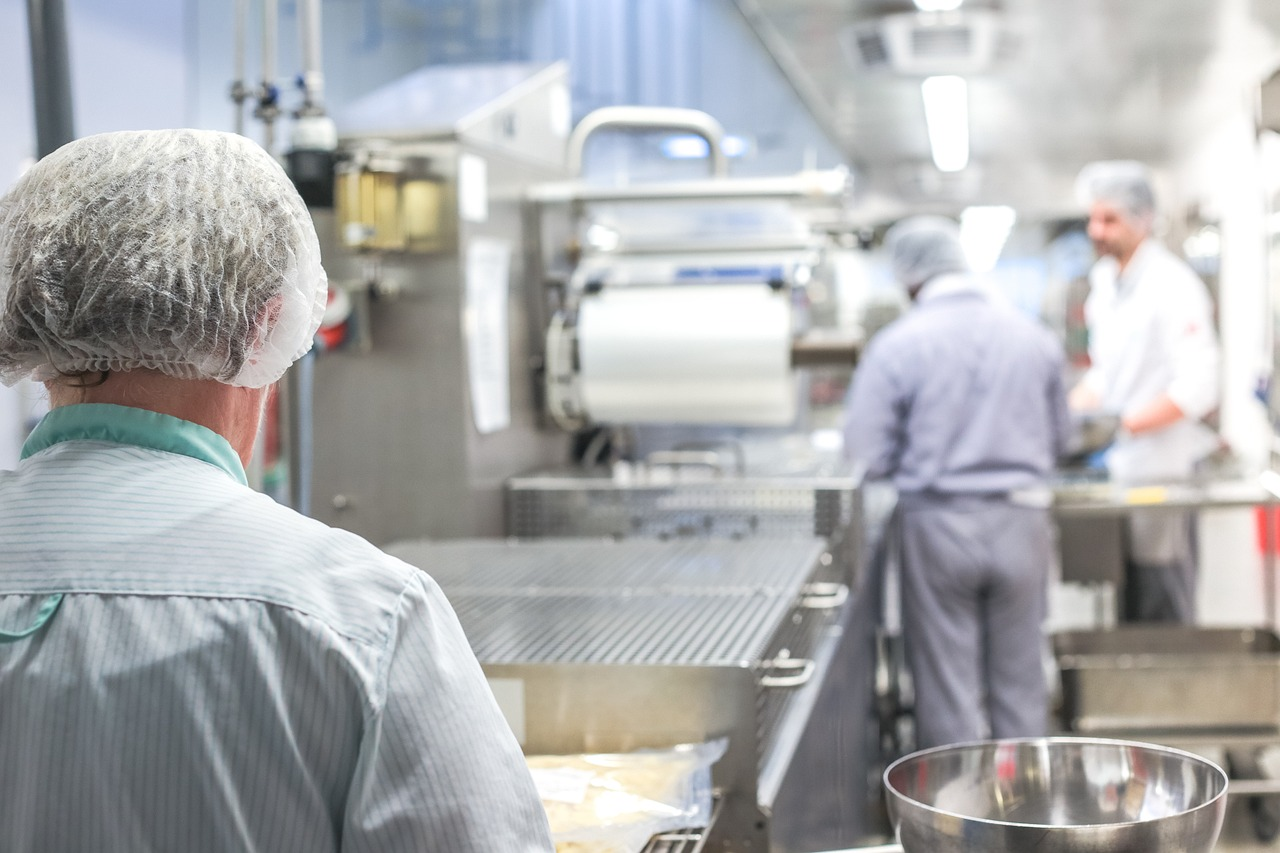
Restaurants, food courts, central kitchens and catering facilities generate wastewater with sharp service peaks, high FOG and food-solids loads, and concentrated discharges during cleaning. Menu, operating hours, kitchen layout and housekeeping practices can change both flow and wastewater strength.
We work with catering and restaurant operators to control FOG and solids at source, manage service and cleaning peaks, and set out a staged route for stable treatment, reuse where justified or compliant discharge.
Stage 1
FOG and solids control
Confirm grease-management and solids-capture measures before wastewater reaches downstream treatment.
Stage 2
Flow and load management
Use balancing and storage to reduce service peaks and cleaning shocks before subsequent treatment stages.
Stage 3
Organic-load treatment
Select biological or physico-chemical stages suited to FOG carryover, detergents and variable wastewater strength.
Stage 4
Final outlet and operating controls
Set polishing, disinfection, monitoring and residuals handling for the selected reuse or discharge route.
Where treatment and reuse begin
Treatment and reuse begin with a water and wastewater balance that separates recoverable flows from streams requiring direct control or disposal. The viable route depends on FOG capture, service-period peaks, cleaning chemistry, available demand and the level of operation the site can sustain. Reuse is developed only where a suitable non-food-contact demand, treatment basis and storage arrangement can be defined.
Treatment and reuse opportunities
- Selective reuse for suitable non-food-contact duties, including toilet flushing, irrigation or external utility use where applicable
- Lower hydraulic and organic peaks through segregation, capture and equalisation
- Reduced odor and septicity risk through better solids, grease and storage management
Conditions that define the route
- FOG and food-solids loading, grease-separation arrangement and maintenance frequency
- Peak flow and organic-load patterns across preparation, service and cleaning periods
- Detergents, disinfectants and drain-cleaning chemicals that affect biological treatment
- Space, access, ventilation, residuals handling and operator attention available on site
These conditions establish whether the project should focus on stronger discharge control, treatment stabilisation, selective reuse or a combination of these routes.
Treatment and reuse planning
We connect kitchen operations, wastewater characteristics and the intended outlet into one project basis. The work defines the upstream controls, treatment duty, reuse or discharge requirements and operating evidence needed for supplier engagement and implementation.
Advisory
Define the project route
- Establish whether the project is discharge-led, reuse-led or combines both objectives.
- Set treatment, odor, residuals and outlet requirements against the site conditions.
- Prepare a performance basis that suppliers can price and compare on a common basis.
FlowPlan
Develop the treatment sequence
- Map the route from source control and equalisation through treatment, polishing, disinfection and storage.
- Define connections with kitchens, grease separators, drainage, residuals handling and reuse demand.
- Align equipment duties, controls, monitoring and performance checks across supplier proposals.
Relevant module families: Clari+ MBBR+ Oxiclear+
Micra+ Odor+
Specialist
Resolve load, chemistry and odor risks
- Assess the effect of cleaning and sanitising chemicals on biological and physicochemical treatment.
- Confirm odor and septicity drivers across drains, tanks, wet wells and residuals handling.
- Compare proposed operating and maintenance provisions with relevant catering and central-kitchen applications.
What defines the treatment and reuse basis
The project basis is developed from how water is used, where grease and food solids enter the drainage system, how loads change through the day and what outlet is required. These checks determine the source controls, balancing volume, treatment duty, storage and operating requirements.
- FOG and food-solids generation points, segregation and grease-separation performance
- Peak hourly flow and organic-load patterns across preparation, service and cleaning
- Detergents, disinfectants and drain-cleaning practices that may affect treatment
- Existing drainage, lifting stations, ventilation, storage and maintenance access
- Required discharge conditions and realistic non-food-contact reuse demand
- Space, utilities, residuals handling and operator attention available for the selected route
Typical catering wastewater treatment routes
Routes vary with wastewater sources, FOG loading, solids carryover, cleaning chemistry and the required outlet. The sequence below shows the common project logic, while individual stages are confirmed against the site.
Stage 1
Source control, FOG capture and solids removal
Grease separation and food-solids capture protect balancing, treatment and downstream equipment.
Stage 2
Equalisation of flow and load
Equalisation reduces hydraulic and organic shocks across preparation, service and cleaning periods.
Stage 3
Organic-load treatment
Biological, physicochemical or combined treatment is matched to the biodegradable load, FOG carryover and chemical variability.
Stage 4
Polishing and disinfection
Additional solids removal, nutrient control and disinfection are defined by the discharge requirement or selected reuse duty.
Stage 5
Final outlet and operating controls
Discharge arrangements or reuse storage and distribution, together with monitoring and maintenance, are matched to the selected route.
The final configuration may be discharge-led, focused on stabilising an existing system, or developed for selective reuse. In each case, source control, treatment duty, residuals handling and operating requirements are defined as one connected route.
Sustainability gains from source control, treatment and selective reuse
For catering and restaurant sites, sustainability begins with controlling grease, food solids and avoidable water use at source, then applying treatment where it adds value. This reduces the load on drainage, grease separators and downstream treatment while creating a more stable basis for discharge or reuse.
Where suitable demand exists, treated water can reduce potable-water use for defined non-food-contact duties. The wider gain is a wastewater route that operates predictably, produces manageable residuals and can be monitored against clear performance requirements.
- Reduced potable-water demand: treated water matched to defined non-food-contact duties.
- Lower discharge impact: fewer FOG and shock events reaching the sewer and more consistent outlet performance.
- Operational control: monitoring, maintenance and residuals handling matched to the kitchen team.
Next steps
If you share the wastewater sources, current treatment arrangement, outlet requirements and any intended reuse demand, we can identify the treatment, reuse and project-definition work most relevant to the site.
Get In Touch
Share the current wastewater arrangement, discharge requirement, intended reuse duties and operating constraints. We will translate these into a defined treatment and reuse scope that suppliers can price and verify.
- Primary objective: reliable discharge, treatment upgrade, selective reuse or a combined route
- Approximate flow and load, including service-period and cleaning peaks
- Existing source controls, grease separation, drainage and treatment equipment
- Available space, utilities, storage, residuals handling and operator capacity
- Required discharge or reuse quality, monitoring and commissioning conditions
The form below records the project information needed to direct the enquiry.